- Client-centered approach
- Attachment-based work
- CBT and mindfulness
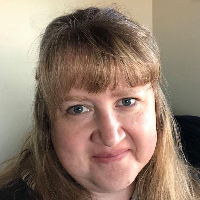
About Lisa
Her approach is direct and person-focused. She uses client-centered methods to listen, reflect, and help people notice what matters most to them. Lisa draws on attachment-based ideas to look at how early relationships shape current trust and closeness, and she uses cognitive behavioral strategies to help people test unhelpful thoughts and try different behaviors.
Sessions tend to be practical and conversational. Clients can expect time to talk through recent events, learn simple skills for coping, and plan small changes to daily routines. She also brings mindfulness techniques to help calm racing thoughts and to improve sleep and focus.
Lisa pays attention to patterns people bring from relationships and family life, and she helps people untangle those patterns so they feel less stuck. She also offers coaching-style support for clients who want clearer goals and steps forward after a loss or life transition.
Her work is straightforward and paced to each person's needs. Prospective clients in Montana who read English can follow the service's booking steps to begin with a short questionnaire and schedule a first session.
Areas of expertise
Primary focus
Also works with
Additional focus areas
Therapeutic approaches
Experience
10+ years
Credentials
Montana
Languages
English
How her approaches translate to online work
Attachment-based work focuses on patterns of relating and closeness. Online sessions can be used to notice how people express needs and fears, and to practice different ways of connecting when those patterns cause distress. CBT is about identifying and testing unhelpful thoughts and changing behaviors. In an online setting this can mean tracking thoughts between sessions and trying small experiments in day-to-day life. Client-centered work emphasizes listening and reflection; even through teletherapy that often looks like guided conversation that helps a person name priorities and decide next steps.Finding the right approach is part of the process. Lisa will work with each person to decide which methods match their goals, needs, and preferences, and she adjusts plans as progress is observed. That collaboration helps keep sessions relevant and focused on what the person wants to change.
The biography does not list specific session formats, so confirm current options before booking. Online work can make it easier to fit therapy into a busy life by reducing travel time, allowing shorter check-ins when schedules are tight, and letting people join from different locations when that helps them keep consistency. Many licensed professionals use these practical benefits to keep therapy manageable alongside work, caregiving, and other commitments.
Frequently asked questions
What concerns does she most often address?
She helps people with stress, anxiety, depression, grief, relationship and family issues, parenting strain, sleep problems, trauma, and self esteem concerns.
What is her therapeutic style like?
Her style is client-centered and conversational, focusing on listening, reflection, and practical steps to change thoughts and behavior.
How much clinical experience does she have?
She has worked in counseling for 10 years.
What credential does she hold and where does she practice?
She is an LCPC and practices in Montana.
Does she work with people who speak other languages?
Sessions are offered in English.
Can I attend sessions online or by other formats?
Confirm current session options before booking since specific formats are not listed in the biography.
How are fees handled?
Cost varies with location and sessions use a subscription that can be canceled at any time.
What do I need to do to begin?
Select the See online therapy options button, complete a short matching questionnaire, and schedule a first session.