- Cognitive Behavioral Therapy
- Attachment-Based Therapy
- Solution-Focused work
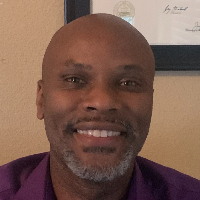
About Lance
He takes a plainspoken approach in session. He listens, asks focused questions, and helps people identify small, manageable changes. Sessions often include looking at thought patterns, how relationships affect feelings, and practical steps to reduce distress.
Dr. Smith draws on several common therapeutic approaches. He uses Cognitive Behavioral Therapy to examine unhelpful thoughts and behavior. Attachment-Based ideas guide conversations about closeness, trust, and how early relationships affect current bonds.
He also uses Client-Centered methods that prioritize the client’s perspective and Solution-Focused techniques to set short-term goals and track progress. When relationship work is needed, he applies elements of the Gottman Method to address communication and conflict patterns.
His style aims to be steady and direct. People who struggle with self-criticism, comparison to others, or trouble asking for support may find the practical focus helpful. Dr. Smith asks about what’s working now and what small changes might feel doable.
To begin, readers should confirm current session formats before booking. Initial steps typically include a short matching questionnaire and scheduling a first session through the site.
Areas of expertise
Primary focus
Also works with
Additional focus areas
Therapeutic approaches
Experience
25+ years
Credentials
Oklahoma, Utah, California
Languages
English
How his approaches translate to online work
Dr. Smith commonly uses Cognitive Behavioral Therapy to help people notice and change thoughts and behaviors that increase anxiety or low self-worth. CBT is practical and often involves short exercises and homework to try between sessions.He also draws on Attachment-Based Therapy to look at patterns of closeness and trust that affect relationships and intimacy. That work focuses on understanding how past relationship experiences shape current reactions and on trying new ways of connecting.
He combines these with Client-Centered listening and Solution-Focused steps to set clear, short-term goals. The therapist will work collaboratively to find which mix of approaches fits a person’s needs and preferences, and may adjust the plan as progress is checked.
Practical benefits of working online include the ability to fit sessions into a busy week and to make appointments without travel. Some people prefer shorter check-ins when schedules are tight, or sessions that do not require being on camera for the whole time to reduce fatigue. Because the original biography does not list specific session formats, confirm available options before booking so you know what will work best for your routine and goals.
Frequently asked questions
What kinds of problems does he help with most often?
He works with stress, anxiety, depression, relationship and family problems, addictions, trauma, grief, and self esteem concerns among other issues.
What is his general therapy style?
He uses a straightforward, practical approach that combines listening with focused questions and steps people can try between sessions.
How much experience does he have?
He has 25 years of clinical experience working with individuals and with relationship and family issues.
What are his credentials and where is he based?
He is an LMFT licensed in California and practices from California for clients based in the state.
Which languages are sessions offered in?
Sessions are offered in English.
What session formats are available?
The original profile does not specify session formats; please confirm current options before booking.
How does pricing work?
Cost varies with location and sessions use a subscription that can be canceled at any time.
What should I do to get started?
Select the See online therapy options button, complete a short matching questionnaire, and schedule a first session.