- CBT methods
- Client-centered
- Solution-focused
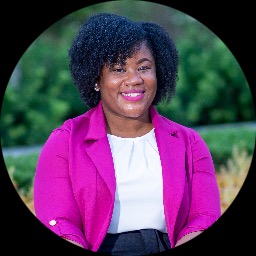
About Krystle
She uses straightforward conversation to identify strengths and small next steps. Sessions look at thoughts, behaviors, and the stories people tell about themselves. That can mean trying different ways to think about a problem or testing out new habits between meetings.
Krystle draws from client-centered therapy to listen closely and from cognitive behavioral therapy to help shift unhelpful thinking patterns. She also uses motivational interviewing to build readiness for change and solution-focused techniques to set practical goals. Narrative work is used when reframing personal stories is useful.
The emphasis is on clear, usable work rather than jargon. People usually talk about specific life or work pressures, trouble with confidence, or feeling stuck after a change. Krystle helps people break those concerns into manageable steps and track progress.
She works in English and practices in Louisiana. The first contacts include a short matching questionnaire and scheduling a first session. The cost structure varies by location and uses a subscription model that can be canceled at any time.
Areas of expertise
Primary focus
Additional focus areas
Therapeutic approaches
Experience
6+ years
Credentials
Louisiana
Languages
English
How her approaches translate to online sessions
Client-centered therapy focuses on the person's perspective and values active listening and reflection from the therapist. Online sessions using this approach let the therapist follow the client's concerns and preferences and adjust the conversation to what feels most important.Cognitive Behavioral Therapy (CBT) breaks problems into thoughts, feelings, and behaviors and uses specific exercises to test different ways of thinking. In online work that can mean setting short homework tasks, practicing skills between sessions, and reviewing how those experiments went.
Motivational Interviewing helps when someone feels stuck or unsure about change by exploring ambivalence and building internal reasons to act. Online meetings can be used to talk through values, set small steps, and check progress.
Finding the right approach is part of the early work. The therapist will talk with the person about goals and preferences and then choose methods that fit. This is a collaborative process where options are reviewed and adjusted as needed.
Session formats are not specified in the biography, so confirm current options before booking. Online work can make it easier to fit therapy into a busy week, shorten check-ins when time is limited, or avoid travel time. Ask about session lengths and scheduling when you complete the matching questionnaire so arrangements line up with daily life.
Frequently asked questions
What concerns does she help with most often?
She commonly helps people with stress, anxiety, low self esteem, depression, motivation, and coping with life changes.
What style of therapy does she use?
Her work combines client-centered listening with Cognitive Behavioral Therapy, motivational interviewing, narrative techniques, and solution-focused strategies.
How much clinical experience does she have?
She has six years of clinical mental health experience working with these concerns.
What are her credentials and location?
She is a Licensed Professional Counselor (LPC) practicing in Louisiana.
Which languages are sessions offered in?
Sessions are offered in English.
Can people outside the United States work with her?
She is not currently accepting international clients.
How are sessions priced?
Cost varies with location and sessions use a subscription that can be canceled at any time.
What do I do to start?
Click the See online therapy options button, complete the short matching questionnaire, and schedule your first session.