- CBT
- Existential Therapy
- Motivational Interviewing
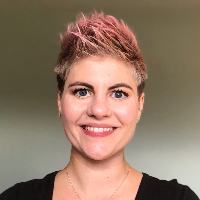
About Katelyn
Katelyn uses a humanistic approach grounded in Existential Therapy and draws on Cognitive Behavioral Therapy and Motivational Interviewing as part of her work. She treats the person in front of her as the expert on their life and focuses on clarifying values, finding meaning, and identifying practical steps for change. Sessions often include talking through patterns, testing small behavior changes, and reflecting on how choices connect to purpose and identity.
Her background includes a master’s degree from Indiana University of Pennsylvania completed in 2012 and professional licensure as an LPC in Pennsylvania. Over the years she has worked with people dealing with substance use and co-occurring disorders as well as mood and trauma-related concerns. This range informs how she balances practical skills with deeper conversation about meaning and direction.
Katelyn emphasizes collaboration and straightforward discussion. She uses tools from CBT to address thought and behavior patterns, motivational techniques to support readiness for change, and existential ideas to help people consider what matters most. Many sessions focus on improving daily coping, increasing self-love, and reducing patterns like codependency or avoidance.
People who are hard on themselves or who struggle with persistent self-doubt may find her approach useful for learning concrete skills and for exploring underlying values. To begin, prospective clients complete a short matching questionnaire and schedule a first session.
Areas of expertise
Primary focus
Also works with
Additional focus areas
Therapeutic approaches
Experience
13+ years
Credentials
Pennsylvania
Languages
English
How Katelyn uses therapeutic approaches online
Katelyn draws on Cognitive Behavioral Therapy to help people notice unhelpful thoughts and try small behavior experiments. CBT is useful for anxiety, depression, panic, and patterns that keep self-esteem low.She also uses Existential Therapy to look at values, meaning, and life choices. This approach helps when someone questions purpose, identity, or how to make changes that fit their sense of self.
Motivational Interviewing appears in sessions when people are weighing change. It focuses on building motivation and resolving mixed feelings about steps like reducing substance use or improving relationships.
Finding the right approach is part of the work together. Katelyn will talk with each person about goals and preferences, and she adjusts methods based on what seems to help most. That collaboration guides whether sessions focus more on skills practice, values clarification, or motivational strategies.
Session formats are not specified in the biography, so confirm current session options before booking. In general, online therapy can make it easier to fit counseling into a busy week, allow a shorter check-in when needed, and reduce travel time. These practical benefits help people keep consistent work on self-esteem, coping skills, and behavior change.
Frequently asked questions
What kinds of concerns does she most often address?
She commonly helps people with stress, anxiety, addictions, trauma, depression, self esteem, relationship issues, and coping with life changes.
What is her general therapy style?
Katelyn uses a humanistic, collaborative style rooted in Existential Therapy and integrates practical techniques from Cognitive Behavioral Therapy and Motivational Interviewing.
How much clinical experience does she have?
She has 13 years of experience working with substance use, co-occurring disorders, mood concerns, trauma, and related issues.
What are her credentials and where does she practice?
She holds a master’s degree from Indiana University of Pennsylvania and is a Licensed Professional Counselor (LPC) in Pennsylvania.
Which languages are sessions offered in?
Sessions are offered in English.
Can people outside the U.S. work with her?
She does not accept international clients at this time.
How are sessions paid for and what does it cost?
Cost varies with location; sessions use a subscription model that can be canceled at any time.
How do I begin a first session?
Start by selecting the See online therapy options button, completing a short matching questionnaire, and scheduling your first session.