- CBT methods
- DBT skills
- Attachment focus
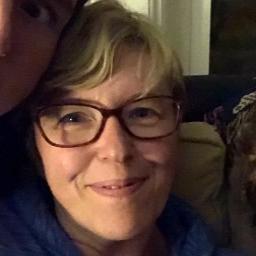
About Glenda
Glenda uses several practical approaches in sessions. She draws on cognitive behavioral ideas to help people notice and change unhelpful thoughts and behaviors. She also uses dialectical behavior strategies that teach emotion regulation and stress tolerance skills for intense or shifting moods.
Attachment-based ideas guide conversations about early relationships and how those patterns show up now. Eye Movement Desensitization and Reprocessing, mentioned among her methods, is included for processing past traumatic memories when appropriate. Client-centered elements shape sessions so the person’s concerns set the agenda.
In practice she focuses on short, clear steps people can try between sessions. Conversations tend to break problems into manageable pieces and build skills for coping with stress, relationships, and self-criticism. Exercises may include thought records, grounding skills, or communication practice.
Her training includes a Master of Science in Rehabilitation and Mental Health Counseling from Montana State University: Billings. Before that she studied psychology at the same university. Those programs inform her work with mood disorders, trauma, and identity issues.
People who struggle with feeling unworthy or who keep comparing themselves to others will find a direct, skills-focused approach here. To begin, prospective clients follow the site’s process to match and book a first appointment.
Areas of expertise
Primary focus
Also works with
Additional focus areas
Therapeutic approaches
Experience
5+ years
Credentials
Montana
Languages
English
How her approaches translate to online sessions
Glenda uses cognitive behavioral therapy to help people identify unhelpful thoughts and try small, practical changes. CBT is often used for anxiety, low self-esteem, and mood concerns because it focuses on clear strategies and exercises.She also draws on dialectical behavior therapy to teach emotion regulation, distress tolerance, and interpersonal effectiveness. DBT-style skills are helpful when moods shift quickly or when people need steadier ways to cope with stress. Attachment-based work looks at relationship patterns and helps people recognize how early bonds affect current trust and closeness.
Finding the right approach is part of the process. She will work with each person to choose methods that fit their needs, goals, and preferences. That collaborative decision can change as therapy progresses and new challenges appear.
The biography does not list specific session formats, so confirm available options before booking. Online sessions can make it easier to fit appointments into a busy life, allow for shorter check-ins when needed, and reduce travel time. Many people find remote work lets them use skills in real time between sessions and keeps therapy practical for day-to-day demands.
Frequently asked questions
What kinds of concerns does she address most often?
She commonly helps with low self-esteem, negative self-talk, mood instability, anxiety, trauma history, and identity development.
What style of therapy does she use?
Her work mixes client-centered conversation with practical techniques from CBT and DBT to teach skills and change unhelpful patterns.
How much clinical experience does she have?
She has five years of professional experience as an LCPC working with mood, trauma, and self-esteem concerns.
Where is she licensed and what are her credentials?
She holds the LCPC credential and practices in Montana.
Which languages are supported and can international clients join?
Sessions are offered in English and she accepts international clients.
What session formats are available?
Session formats are not specified in the biography; please confirm current session options before booking.
How are fees handled?
Cost varies with location and sessions use a subscription that can be canceled at any time.
How do I get started with a first session?
Select the See online therapy options button, complete the short matching questionnaire, and schedule a first session.