- Attachment-based
- Client-centered
- CBT informed
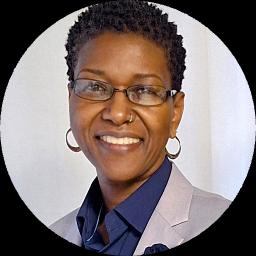
About Erica
Brooks began her career in the St. Louis area in child welfare in 1994. Her early roles included residential treatment, outpatient services, and work with foster care and adoption agencies. Those years gave her long experience with children and adolescents who had suffered serious harm and disruption.
Over time she expanded to support adults seeking changes in relationships, parenting, and life satisfaction. She often sees adult concerns that trace back to childhood experiences. That perspective shaped her move toward broader approaches that consider a person’s history and current life together.
Her practice draws on several counseling theories rather than a single model. She considers personal history, personality, values, and therapeutic needs when planning work with someone. Sessions focus on building a working connection and addressing patterns that cause pain or keep someone stuck.
Brooks uses techniques from attachment-based work, client-centered methods, cognitive behavioral ideas, mindfulness, and psychodynamic thinking. She aims to reduce the long-term impact of harmful childhood experiences and to support clearer decision making in adulthood.
People who are hard on themselves or who doubt their worth often seek her out for steady, practical help. To begin, prospective clients complete a short matching form and schedule an initial session.
Areas of expertise
Primary focus
Also works with
Additional focus areas
Therapeutic approaches
Experience
29+ years
Credentials
Missouri
Languages
English
How her approaches translate to online work
Attachment-Based Therapy looks at how early relationships influence current patterns. It helps people understand how trust, closeness, and boundaries formed and how those patterns show up in adult relationships and parenting. Client-Centered Therapy focuses on the person's perspective and experience. The therapist listens closely, reflects what she hears, and helps the person make sense of their feelings and choices. Cognitive Behavioral Therapy (CBT) examines thoughts and behaviors together and offers practical skills to reduce anxiety, manage mood, and change unhelpful patterns.Choosing the right approach is part of the work together. Erica will review your history, goals, and preferences and suggest steps to try. She often blends methods and checks in with clients about what feels useful as sessions continue.
The biography does not list specific session formats, so confirm current options before booking. In general, online sessions can make it easier to fit therapy into a busy schedule, reduce travel time, and allow shorter check-ins when needed. Therapists who offer remote work can also adapt exercises and mindfulness practice to a person’s daily routine, helping skills transfer into everyday life.
Frequently asked questions
What kinds of problems does she most often help with?
She commonly helps with stress, anxiety, relationship struggles, parenting concerns, trauma and abuse, depression, addictions, and self esteem issues.
What is her general therapeutic style?
Her style is eclectic and practical, combining attachment-based, client-centered, cognitive behavioral, mindfulness, and psychodynamic ideas to address personal history and present concerns.
How many years of experience does she have?
She has 29 years of experience working in child welfare and mental health settings.
What are her credentials and where is she based?
She is a Licensed Professional Counselor (LPC) licensed in Missouri and practices from that state.
Does she provide sessions in other languages or to international clients?
Sessions are offered in English and she is not accepting international clients.
What session formats are available?
Please confirm current session formats before booking, as the biography does not specify which formats are offered.
How much do sessions cost?
Cost varies with location; sessions use a subscription that can be canceled at any time.
How do I begin work with her?
Select the See online therapy options button, complete a short matching questionnaire, and schedule a first session.