- Addictions support
- Relationship issues
- Trauma-informed care
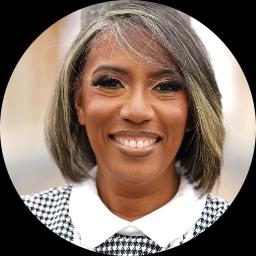
About Draughn
Draughn uses practical, evidence-informed methods to help people notice patterns that keep them stuck. Sessions tend to include conversations about thoughts, behaviors, and relationships, and she often introduces skills to manage strong emotions and cravings. She explains interventions plainly and works step-by-step on small changes clients can try between sessions.
Her background includes chemical dependency counseling alongside social work practice, which informs how she approaches substance use and recovery. That experience guides a focus on safety, relapse prevention, and building routines that support stability. She also brings approaches aimed at understanding trauma and attachment when those issues are present.
People who struggle with self-criticism or constant comparison will find a methodical, no-nonsense style that looks at what’s getting in the way of feeling better. Sessions mix problem-solving with skills practice and exploration of past patterns that affect current relationships. The emphasis is on concrete tools and clearer choices.
Draughn offers care in English and works with adults and couples. For someone ready to take small, practical steps toward improved self-esteem and management of mood or substance concerns, she focuses on realistic strategies and steady progress.
Areas of expertise
Primary focus
Additional focus areas
Experience
6+ years
Credentials
Texas
Languages
English
How evidence-based methods translate to online work
Many of the techniques Draughn uses are structured and work well in a remote setting. Cognitive Behavioral Therapy focuses on identifying unhelpful thoughts and testing new behaviors, which translates into clear homework and simple skill practice between sessions. Trauma-informed approaches emphasize pacing and safety while addressing past harm, and they guide how topics are introduced and worked through online. Mindfulness-based techniques teach attention and grounding skills that clients can practice during and after a session.Finding the right mix of approaches is part of the process. Draughn will discuss what seems most useful for the client's goals and preferences and adjust methods as progress is made. That collaboration helps keep sessions practical and targeted to the issues the person wants to change.
The biography does not list specific session formats, so confirm current options before booking. Online work can make therapy easier to fit into a busy life by reducing travel time, allowing shorter check-ins when needed, and making scheduling more flexible around work or caregiving. It also lets people practice skills in the settings where they live and relate, so what is learned in sessions can be tried out between meetings.
Frequently asked questions
What concerns does she help with most often?
She works with addictions, relationship struggles, trauma and abuse, bipolar disorder, and self esteem issues, plus related areas like attachment and caregiver stress.
What is her approach in sessions?
She uses evidence-informed techniques and practical skills work, focusing on thoughts, behaviors, and relationship patterns to create manageable changes.
How much experience does she have?
She has six years of professional experience practicing as a Licensed Clinical Social Worker.
What are her credentials and where is she based?
She holds the LCSW credential and practices in Texas.
Which languages are sessions offered in?
Sessions are offered in English.
Are international clients supported?
International clients are not currently accepted.
How are costs and payments handled?
Cost varies with location; sessions use a subscription model that can be canceled at any time.
What steps do I take to start?
Select the See online therapy options button, complete the short matching questionnaire, and schedule your first session.