- Stress management
- Parenting support
- Phone and e-counseling
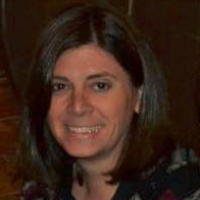
About Deanna
She began her social work career after earning a Bachelor of Social Work with a minor in gerontology in 1993, then completed a master’s degree in 2013 and obtained her LCMHC in 2014. Much of her background includes work in substance abuse and general mental health services, and she has experience with intellectual and developmental disability settings and ADHD assessment work.
In sessions she talks through current problems and practical next steps. Conversations often focus on communication, managing panic or intense emotions, coping skills for stressful periods, and navigating blended family or separation issues. She uses evidence-based therapeutic techniques to help people make changes that feel manageable.
She offers phone sessions and e-counseling as insurance allows, and notes flexible hours to fit schedules. Sessions are conducted in English and she practices in North Carolina as an LCMHC. Before booking, people should confirm the current session formats offered.
Her approach suits someone who wants direct discussion of problems and clear strategies to handle them. People who compare themselves with others or struggle with low self-worth may find focus on practical coping, communication, and building steady routines helpful when working together.
Areas of expertise
Primary focus
Also works with
Additional focus areas
Experience
11+ years
Credentials
North Carolina
Languages
English
How therapeutic approaches guide remote sessions
Deanna uses evidence-based therapeutic techniques that focus on concrete skills and clear steps. One approach emphasizes learning practical coping skills for anxiety and panic, such as breath-based grounding and short behavioral exercises to reduce overwhelming physical symptoms. Another approach centers on communication and relationship work, helping people practice clearer requests, set boundaries, and rebuild trust after conflict.Choosing the right approach is part of working together. The therapist will talk with each person about their goals, symptoms, and daily routine, then suggest methods that fit those needs. That collaboration helps steer sessions toward strategies that feel useful rather than theoretical.
She reports offering phone sessions and e-counseling as insurance allows, but readers should confirm current formats before booking. Online sessions can make it easier to fit therapy into a busy day, require less travel time, and allow shorter check-ins when needed. Phone options can work well when bandwidth is limited or when someone prefers not to be on camera. Overall, online work aims to bring practical, evidence-based techniques into everyday life in a way that is manageable and steady.
Frequently asked questions
What issues does she help with most often?
She works with stress, anxiety, depression, bipolar concerns, relationship and parenting difficulties, grief, anger, and self esteem challenges.
How would you describe her therapeutic style?
Her style is straightforward and practical, focusing on talking through problems and finding manageable next steps using evidence-based techniques.
What is her professional background?
She holds a Bachelor of Social Work from 1993, completed a master’s degree in 2013, and has worked in substance abuse, general mental health, and IDD settings before becoming an LCMHC in 2014.
What credential does she hold and where does she practice?
She is an LCMHC licensed in North Carolina and practices there.
Can I have sessions in a language other than English?
Sessions are offered in English.
What formats are used for sessions?
The biography states phone sessions and e-counseling are offered as insurance allows; confirm the exact session options before booking.
How is payment handled?
Cost varies with location and sessions use a subscription model that can be canceled at any time.
How do I begin working with her?
Use the See online therapy options button, complete the short matching questionnaire, and schedule a first session.