- Stress and anxiety
- Trauma and abuse
- Self esteem work
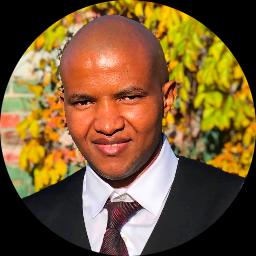
About Christopher
He starts by listening to a person's story and noticing strengths they already have. He treats people as the expert on their own life while offering practical ways to manage symptoms. Sessions focus on small, steady steps rather than big promises.
His work often addresses patterns that keep people stuck, such as attachment wounds, abandonment fears, control issues, or repeated shame and guilt. He also helps with body image, self-love, and rebuilding purpose after loss or major change. Panic attacks and post-traumatic stress are included among the concerns he supports.
Christopher uses evidence-based therapeutic techniques to guide the work. That means he draws on approaches shown to help with mood, anxiety, and trauma symptoms and adapts them to each person’s needs. He explains techniques in plain language and practices them together with clients.
People who are hard on themselves can expect a steady, straightforward style. The emphasis is on practical skills and clearer thinking. To begin, people complete a short matching questionnaire and schedule a first session through the site.
Areas of expertise
Primary focus
Additional focus areas
Experience
10+ years
Credentials
Georgia, Massachusetts
Languages
English, Swahili
How therapeutic approaches are used in online sessions
Christopher works with evidence-based therapeutic techniques that focus on practical change. One approach emphasizes teaching concrete skills for managing anxiety and panic, such as breathing strategies, grounding, and short behavioral experiments to reduce avoidance. This helps people regain confidence when worry or panic interferes with daily life.Another approach targets trauma-related symptoms by helping people process upsetting memories and reduce their hold on everyday thinking and behavior. That work usually combines careful pacing with techniques to stabilize mood and reduce overwhelm before addressing difficult memories.
Finding the right approach is part of the work. The therapist will discuss options together and pick methods that fit the person’s goals, needs, and preferences. That collaborative process may shift over time as progress and obstacles become clearer.
Confirm the current session options before booking since formats are not listed in the biography. Online sessions can help fit therapy into a busy schedule by avoiding travel, allowing shorter check-ins, or making it easier to meet during a work break. Licensed professionals can adapt exercises for the online setting so that practical skill practice and real-life problem solving remain central.
Frequently asked questions
What concerns does he help with most often?
He commonly supports people with stress, anxiety, trauma and abuse, self-esteem, depression, and coping with life changes.
What is his therapeutic style?
He listens for strengths and uses straightforward, practical guidance. Sessions focus on small steps and skill-building rather than quick fixes.
How much experience does he have?
He has 10 years of professional work experience in clinical practice.
What are his credentials and where is he based?
He holds an MA LMHC and a GA LPC and is based in Georgia.
Which languages are supported?
Sessions are offered in English and Swahili.
Does he work with international clients?
He does not accept international clients at this time.
How are sessions scheduled and paid for?
Session cost varies with location and services use a subscription that can be canceled at any time.
What should I do to start a first session?
Select the See online therapy options button, complete the short matching questionnaire, and schedule your first session through the site.