- CBT techniques
- Client-centered focus
- Solution-focused work
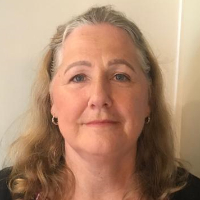
About Cheryl
She has provided psychotherapy in outpatient clinics, hospitals, and military settings. Sessions are practical and straightforward. She helps people notice what increases their distress and then builds simple skills to reduce emotional intensity. The work often includes short exercises to try between sessions and concrete steps to manage stress and cravings.
Her approach blends Client-Centered Therapy with Cognitive Behavioral Therapy and Solution-Focused work. That means conversations focus on the person's experience, testing small changes, and developing clearer thinking patterns. Mindfulness and motivational interviewing techniques are added when they fit the goals.
Dr. Mansfield favors a strengths-based outlook and uses methods aimed at relief that lasts. She encourages people to identify obstacles and develop workable strategies to move past them. Progress is tracked with straightforward check-ins and adjustments to the plan when needed.
People who struggle with self-criticism, shame, or persistent comparison often find the focus is on practical tools and clearer thinking. Her style is direct and steady, helping people build skills so daily life feels more manageable.
Areas of expertise
Primary focus
Also works with
Additional focus areas
Therapeutic approaches
Experience
20+ years
Credentials
Virginia, District of Columbia
Languages
English
Therapeutic approaches used in remote sessions
Dr. Mansfield commonly brings together Client-Centered Therapy, Cognitive Behavioral Therapy (CBT), and mindfulness techniques in online work. Client-Centered Therapy focuses on listening to the person's experience and reflecting it back so they can better understand their feelings and choices. CBT looks at unhelpful thinking patterns and tests small behavioral changes to reduce symptoms like anxiety or low mood. Mindfulness Therapy teaches simple attention practices to help people notice thoughts and bodily reactions without immediately reacting, which can reduce reactivity to stress.Finding the right approach is part of the work. She will collaborate with each person to choose methods that match goals, preferences, and what feels doable. Plans are adjusted based on what helps in regular check-ins so the approach evolves with progress and setbacks.
The practical benefits of remote sessions include fitting therapy into busy days and reducing travel time. Some people use shorter check-ins when their schedule is tight, or pick audio-only contact when lower bandwidth or less on-camera time is needed. Confirm the current session options and formats before booking so arrangements match your routine and needs.
Frequently asked questions
What does she help with most often?
She commonly works with stress, anxiety, depression, trauma, addictions, relationship and intimacy issues, grief, parenting concerns, anger, and self esteem.
What is her general therapeutic style?
Her sessions are practical and skills-focused, blending client-centered conversation with CBT and solution-focused techniques.
How much clinical experience does she have?
She has 20 years of experience providing psychotherapy in outpatient, hospital, and military settings.
What are her credentials and where is she based?
She holds DC LICSW and VA LCSW credentials and practices from Virginia.
In which languages can sessions be conducted?
Sessions are offered in English.
Can international clients work with her?
She accepts international clients, though logistics and licensing are confirmed during intake.
How much do sessions cost?
Cost varies with location; sessions use a subscription that can be canceled at any time.
How do I begin a first session?
Select the See online therapy options button, complete the short matching questionnaire, and schedule a first session.