- Cognitive Behavioral Therapy
- Solution-Focused methods
- Mindfulness techniques
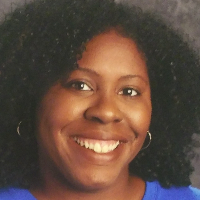
About Cassandra
She uses a straightforward, talk-based approach. Conversations focus on what feels most pressing and on small, practical steps that can make daily life easier. She draws on Cognitive Behavioral Therapy to spot unhelpful thinking patterns and Solution-Focused techniques to set clear short-term goals.
Her sessions also include Client-Centered Therapy ideas, which prioritize the client's perspective and choices. Mindfulness strategies are introduced to help with managing intense moods and grounding during stressful moments. Dialectical Behavior Therapy skills are used when emotion regulation or impulsivity are central concerns.
Cassandra aims to help people notice patterns that keep them stuck and to practice different responses. That can mean identifying automatic thoughts, rehearsing new communication habits, or creating brief behavioral experiments between sessions. The emphasis is on steady, doable changes rather than quick fixes.
She has worked across a range of life situations over eight years and brings that practical experience into sessions. People who are hard on themselves or who doubt their worth often find the focus on concrete skills and small wins useful. Prospective clients should confirm current session formats before booking.
Areas of expertise
Primary focus
Additional focus areas
Therapeutic approaches
Experience
8+ years
Credentials
Florida
Languages
English
How her approaches are used in online sessions
Client-Centered Therapy focuses on the client's perspective and preferences. In practice this means sessions prioritize the concerns the person brings, and the therapist checks in often about what feels helpful. Cognitive Behavioral Therapy (CBT) looks at the links between thoughts, feelings, and actions. Online sessions can use CBT to identify unhelpful thinking and to plan small experiments or homework between meetings. Dialectical Behavior Therapy (DBT) provides concrete skills for managing intense emotions and reducing impulsive actions; this can be useful when mood swings or strong reactions are getting in the way of daily life.Choosing which approach to use is a collaborative process. The therapist will talk with the client about goals, try methods that fit those goals, and adjust based on what works. Expect some practical planning early on so future sessions have a clear focus that aligns with the client's needs and preferences.
Confirm the exact session options before booking since formats are not specified in the biography. Online work can make it easier to fit sessions into a busy week, allow shorter check-ins when that suits a schedule, or remove the need to travel. It also lets therapists and clients share worksheets, practice skills in real time, and track small changes between sessions, which helps translate discussion into everyday action.
Frequently asked questions
What concerns does she help with most often?
She commonly works with stress, anxiety, self esteem issues, depression, and parenting or family problems.
What therapeutic style does she use?
Her style combines Client-Centered Therapy with Cognitive Behavioral Therapy and Solution-Focused methods, plus mindfulness and some DBT skills as needed.
How much clinical experience does she have?
She has eight years of experience working with a wide range of concerns and life situations.
What are her credentials and where is she located?
She is a Florida LMHC and practices in Florida.
Which languages are supported?
Sessions are offered in English.
Can international clients work with her?
She does not accept international clients at this time.
How does payment and cost work?
Cost varies with location and sessions use a subscription that can be canceled at any time.
How do I begin a first session?
Select the See online therapy options button, complete a short matching questionnaire, and schedule a first session.