- Self esteem work
- Cognitive Behavioral Therapy
- Motivational Interviewing
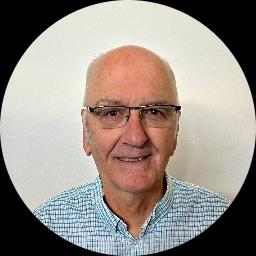
About Bryon
Bryon aims for straightforward work in sessions. He treats problems by helping people notice patterns in thoughts and behaviors and try practical changes. Conversations are direct and focused on what someone can do between sessions to feel steadier and more in control.
He uses approaches that include Cognitive Behavioral Therapy, mindfulness practices, motivational interviewing, solution-focused techniques, and trauma-focused work. Those methods are used to help reduce overwhelming thoughts, build better daily routines, and strengthen coping when cravings, mood swings, or doubt appear.
Many clients come with concerns about body image, addiction to substances or processes, isolation or loneliness, and difficulties tied to money or caregiver stress. He also supports men, first responders, and veterans on issues common to those roles. Problems like seasonal mood shifts, personality disorders, and self-harm are part of his experience.
Bryon keeps sessions practical and goal-oriented. He encourages small, measurable steps toward clearer thinking and more consistent behavior. People who are hard on themselves will find a steady, no-frills style that focuses on real skills and problem solving.
Areas of expertise
Primary focus
Additional focus areas
Therapeutic approaches
Experience
30+ years
Credentials
Washington
Languages
English
Approaches used in remote sessions and how they help
CBT, or Cognitive Behavioral Therapy, focuses on identifying unhelpful thought patterns and testing small behavior changes to reduce anxiety and improve mood. It helps people notice how thinking affects actions and then practice different responses.Mindfulness Therapy teaches simple mental skills for paying attention to the present moment and lowering reactivity to difficult feelings. It can be useful for stress, low self-esteem, and swings in mood by building steadier awareness.
Motivational Interviewing supports people who struggle with change by exploring ambivalence and strengthening personal reasons for action. It can assist with addictions, readiness to change, and following through on treatment plans.
Finding the right approach is part of the work. The therapist will help decide which methods fit best based on goals, current difficulties, and what the client prefers. That choice is made together and can shift as progress is assessed.
Session formats are not listed in this biography, so confirm current options before booking. Online work can make it easier to fit sessions into busy days, reduce travel time, and allow shorter check-ins when needed. Discussing how sessions will be scheduled and what will happen each week helps set clear expectations and makes remote therapy more effective.
Frequently asked questions
What issues does he help with most often?
He focuses on stress, anxiety, addictions, self esteem, bipolar disorder, and depression, plus related topics like body image and caregiver stress.
What is his therapeutic style?
Sessions are practical and goal-oriented, using direct conversation to identify patterns and try workable changes between sessions.
How much experience does he have?
He has 30 years of professional experience working with mood disorders, addictions, and self-esteem concerns.
What are his credentials and where is he based?
He is an LMHC licensed in Washington and practices with that credential in the state.
Which languages are sessions offered in?
Sessions are offered in English.
What session formats are available?
Session formats are not specified here; please confirm current session options before booking.
How are fees handled?
Cost varies with location and sessions use a subscription that can be canceled at any time.
How do I begin working with him?
Choose the See online therapy options button, complete the short matching questionnaire, and schedule a first session.