- Stress and anxiety
- Addictions support
- Trauma and abuse
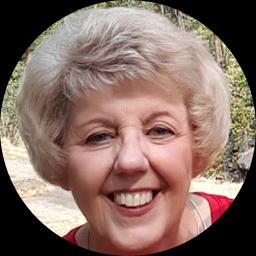
About Bonnie
Bonnie focuses on straightforward conversation and problem-solving. She listens to what is happening now and helps people sort through overwhelming thoughts. Sessions often include identifying patterns that keep someone stuck and trying different ways to respond to hard situations.
Her background includes long-term work with people facing addiction and trauma. That experience informs how she approaches safety, boundaries, and steady progress. She pays attention to how family of origin issues, codependency, abandonment, and control concerns affect daily life.
Bonnie also helps people dealing with grief, divorce, aging and geriatric issues, first responder stress, and recovery after disasters. She works on practical skills for managing guilt, shame, and finding a sense of direction or life purpose. The focus is on small, doable steps rather than big, immediate fixes.
Everyday tools are part of sessions - coping plans, behavior changes, and clearer communication strategies. If someone needs help getting started they use a short matching questionnaire and schedule a first session. Before booking, confirm the current session options and formats.
Areas of expertise
Primary focus
Also works with
Additional focus areas
Experience
14+ years
Credentials
Montana
Languages
English
How Bonnie Uses Evidence-Based Approaches Online
Bonnie works with evidence-based therapeutic techniques that help people change unhelpful patterns and build coping skills. One common approach focuses on identifying and shifting behavior patterns - it looks at what someone does and how those actions affect mood and relationships, which can help with addiction, depression, and low self-esteem. Another approach emphasizes skills for managing overwhelming feelings and anxiety by teaching concrete tools for grounding, breathing, and step-by-step coping when emotions spike.Finding the right approach is part of the work. Bonnie will talk with each person about their needs, goals, and preferences and together decide which methods to try. That collaborative process helps narrow options and adjust techniques as progress is made or new challenges appear.
Confirm the available session formats before booking, as the biography does not specify them. Online sessions can make it easier to fit therapy into a busy life - they can reduce travel, allow shorter check-ins during breaks, and let someone meet from wherever they are that day. Discuss scheduling and format when you book so sessions match daily routines and practical needs.
Frequently asked questions
What does she help people with most often?
She commonly supports people with stress, anxiety, addictions, relationship problems, trauma and abuse, grief, and self-esteem concerns.
How would you describe her approach in sessions?
Her style is direct and practical, focusing on clear conversation, problem-solving, and identifying patterns that keep someone stuck.
How much clinical experience does she have?
She has 14 years of professional experience working with issues such as addiction, trauma, mood disorders, and life transitions.
What credential does she hold and where does she practice?
She holds the LCPC credential and practices in Montana.
In which languages can sessions be held?
Sessions are offered in English.
Can people from other countries work with her?
She is not currently accepting international clients.
How are costs and billing handled?
Cost varies with location and sessions use a subscription that can be canceled at any time.
What should I do to begin working with her?
Select the See online therapy options button, complete a short matching questionnaire, and schedule a first session.