- ACT methods
- Attachment focus
- CBT and DBT skills
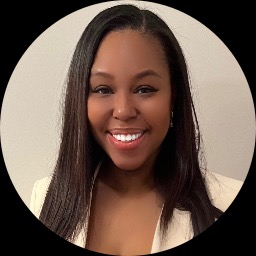
About Bianca
Her sessions focus on practical steps and honest conversation. She uses research-informed methods to help people notice how thoughts and behaviors keep problems going. Conversations often include skill-building for emotion regulation, clearer communication, and ways to reduce panic or social anxiety in real situations.
Dr. Clark draws on therapies that look at both present patterns and past attachment wounds. She helps people recognize how early relationships shape current reactions and then tests new ways of relating. Work on grief, abandonment, and forgiveness is paced to match what clients are ready to address.
Behavioral tools and values-based work are common in her approach. That can mean tracking small behavior changes, practicing new responses, or clarifying what matters most to guide decisions during life changes or caregiver stress.
She integrates client-centered conversation with structured techniques from cognitive behavioral therapy and dialectical behavior therapy when those methods fit. The goal is to build steadier mood, better boundaries, and more reliable self-respect over time.
Areas of expertise
Primary focus
Also works with
Additional focus areas
Therapeutic approaches
Experience
16+ years
Credentials
Illinois
Languages
English
How therapeutic approaches are used in online sessions
Acceptance and Commitment Therapy (ACT) focuses on clarifying what matters to a person and taking small steps toward those values while learning to sit with difficult thoughts. It can help when anxiety, low self-worth, or life transitions make choices feel impossible. Attachment-Based Therapy looks at how early relationship patterns influence current reactions and helps people test new ways of relating to others and themselves.Finding the right approach is part of the work. The therapist will review needs, goals, and preferences together and suggest which methods to try first. That collaborative process means approaches can shift as a client learns what helps them most.
Confirm the available session formats before booking, as this profile does not list specific delivery methods. Online options often make it easier to fit sessions into a busy week, allow shorter check-ins when time is limited, and reduce travel time so therapy can be scheduled between obligations. Licensed professionals commonly use a mix of conversational and skill-based work in remote sessions, which supports practicing new behaviors in everyday life.
Frequently asked questions
What does she help with most often?
She works with stress, anxiety, relationship problems, trauma and abuse, depression, coping with life changes, and self-esteem issues.
What is her therapeutic style?
Her style combines straightforward conversation with skills practice and values work to reduce distress and improve relationships.
How much experience does she have?
She has 16 years of clinical experience as a licensed social worker in Illinois.
What are her credentials and location?
She is an LCSW licensed in Illinois and practices with that credential.
Which languages are supported?
Sessions are offered in English.
Can people outside the US work with her?
She does not accept international clients at this time.
How are sessions paid for and what is the cost structure?
Cost varies with location, and sessions use a subscription model that can be canceled at any time.
What do I need to do to get started?
Select the See online therapy options button, complete a short matching questionnaire, and schedule a first session.