- CBT strategies
- Attachment focus
- Values work
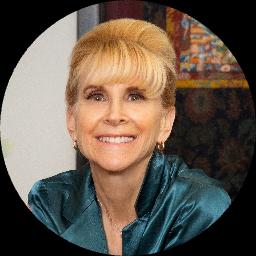
About Beth
Beth uses practical, evidence-informed methods to address everyday problems. She draws on approaches such as cognitive behavioral techniques and attachment-focused work to help people notice patterns and try different responses. Sessions often include talking through recent difficulties, problem solving, and simple skills practice that can be used between meetings.
She pays attention to how relationships and early losses shape current reactions. Attachment-based ideas are used to look at how past connections affect trust, boundaries, and expectations. That perspective is combined with acceptance and commitment ideas to clarify values and small steps that move people toward what matters to them.
Beth describes her style as straightforward and respectful. Conversations move at a steady pace and focus on what the person wants to change. She works with issues like body image, abandonment, communication problems, and financial stress alongside mood concerns and panic symptoms.
Sessions are offered in English and she accepts clients from outside the United States. The practice uses a subscription model that can be canceled at any time, and cost varies by location. To start, clients complete a short matching questionnaire and schedule a first session.
Areas of expertise
Primary focus
Also works with
Additional focus areas
Therapeutic approaches
Experience
5+ years
Credentials
Pennsylvania
Languages
English
How therapeutic approaches are used in online sessions
Acceptance and Commitment Therapy, or ACT, focuses on clarifying what matters to a person and taking small steps that align with those values. It can help with persistent worry, low self-worth, and decisions during life changes. Cognitive Behavioral Therapy, or CBT, looks at thoughts and behaviors together and introduces practical exercises to shift unhelpful patterns, which is useful for anxiety, depression, and panic symptoms. Attachment-Based Therapy examines how early relationships shape current expectations and reactions, helping people understand patterns in trust, boundaries, and closeness.Finding the right mix of methods is part of the work. The therapist will talk with each person about goals and preferences, and then try approaches that fit those needs. That collaborative process helps shape the plan rather than imposing a single method from the start.
Session formats are not listed in the biography, so confirm current online options before booking. Online sessions can make it easier to fit therapy around work, childcare, or medical appointments, and some formats let people choose shorter check-ins or phone-only meetings when video is difficult. Discussing goals and logistics in the first meeting helps align the approach and format with everyday routines.
Frequently asked questions
What kinds of problems does she help with most often?
She commonly helps people with grief, depression, anxiety, low self-esteem, and stress from life changes or parenting.
What is her general approach in sessions?
She uses practical, evidence-informed methods like CBT and attachment-based ideas alongside client-centered conversation to address day-to-day problems.
How much clinical experience does she have?
She has five years of experience working as a licensed clinical social worker.
What are her credentials and location?
She is a Pennsylvania LCSW and practices from Pennsylvania.
Can I work with her if I live outside the United States?
Yes. Sessions are offered to international clients and are conducted in English.
What session formats are used?
Session formats are not specified here; please confirm current session options before booking so you know what is offered.
How does pricing work?
Cost varies with location and services, and sessions use a subscription that can be canceled at any time.
How do I get started with a first appointment?
Select the See online therapy options button, complete a short matching questionnaire, and schedule your first session.