- ACT
- CBT
- DBT
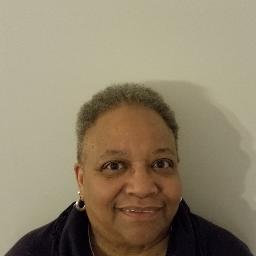
About Annette
She approaches sessions as a collaborative process and treats the person as the expert on their own life. Conversations focus on clearer communication, better coping skills, and small changes that feel doable. Sessions aim to help people notice patterns that keep them stuck and try different ways of responding.
Her background includes work in inpatient and outpatient settings across a wide age range and diverse cultural groups. Over two decades she has supported people through substance-related and addictive issues, post-traumatic stress, family conflict, and transitions such as loss or midlife shifts. She draws from several clinical methods and adapts them to what the client needs.
Clinically she integrates approaches like Acceptance and Commitment Therapy, Cognitive Behavioral Therapy, Dialectical Behavior Therapy, Client-Centered Therapy, and Mindfulness Therapy. That mix is used to teach practical skills - for mood regulation, managing anxiety, addressing addictive behavior, and improving relationships.
She holds a Doctor of Clinical Psychology from Argosy University and a Master of Science in Counseling Psychology from Bowie State University. People who worry about their self worth or who compare themselves with others may find the sessions focused on concrete steps and steady skill-building.
Areas of expertise
Also works with
Additional focus areas
Therapeutic approaches
Experience
21+ years
Credentials
Maryland
Languages
English
How her approaches translate to online work
Acceptance and Commitment Therapy (ACT) encourages noticing thoughts and values, then taking small committed actions toward a meaningful life; it can help with low self-esteem and anxiety by shifting focus from unhelpful thoughts to valued behaviors. Cognitive Behavioral Therapy (CBT) looks at the link between thoughts, feelings, and actions and teaches practical techniques to reduce distress and change unhelpful patterns. Dialectical Behavior Therapy (DBT) offers skills for emotion regulation, distress tolerance, and improving interpersonal effectiveness, which can be useful for intense emotions or relationship difficulties.Finding the right approach is part of the process. The therapist works collaboratively with each person to identify which methods fit their goals and preferences. That conversation can happen in early sessions, and the plan can be adjusted as progress is made.
The biography does not specify session formats here, so confirm current session options before booking. Online work can make it easier to fit therapy into a busy life - for example, it can reduce travel time, allow shorter check-ins during a workday, or avoid needing to be on camera when that feels hard. Licensed professionals often use these practical benefits to help therapy fit into everyday routines rather than require major schedule changes.
Frequently asked questions
What concerns does she most often address?
She works with stress, anxiety, addictions, trauma and abuse, grief, depression, self esteem, relationship and intimacy-related issues, and other life changes.
What is her therapy style?
Her style is collaborative and client-centered, focusing on practical skills and clearer communication to help people change patterns that cause distress.
How much clinical experience does she have?
She has 21 years of experience working in both inpatient and outpatient settings across a wide age range and diverse cultural backgrounds.
What are her credentials and where is she based?
She is an LCPC (Licensed Clinical Professional Counselor) in Maryland and maintains her practice in that state.
Which languages are supported?
Sessions are offered in English.
Are international clients accepted?
International clients are not currently accepted.
How does billing and cost work?
Cost varies with location and sessions use a subscription that can be canceled at any time.
How do I begin a first session?
Select the See online therapy options button, complete a short matching questionnaire, and schedule a first session.