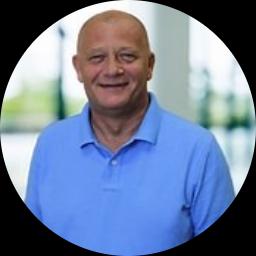
About Alan
Clients can expect straightforward conversation and practical steps. He uses clear, problem-focused methods to address overwhelming feelings and repeated patterns. Sessions often include learning new ways to respond to strong emotions and trying small changes between meetings.
Alan draws on several approaches to shape treatment. Client-Centered Therapy creates a respectful, patient-led space for people to talk through what matters most. Cognitive Behavioral Therapy (CBT) is used to identify unhelpful thoughts and test more balanced thinking. Dialectical Behavior Therapy (DBT) provides skills for emotion regulation and managing intense reactions.
He also uses EMDR for people processing traumatic memories and Motivational Interviewing to help with readiness for change. These methods are combined based on what each person needs rather than a fixed protocol. Progress is paced to match what someone can manage in daily life.
Alan works with adults and emphasizes practical communication skills, reducing shame, and building steadier self-regard. To begin, people complete a short questionnaire and schedule an initial appointment that clarifies goals and next steps.
Areas of expertise
Primary focus
Also works with
Additional focus areas
Therapeutic approaches
Experience
11+ years
Credentials
Florida
Languages
English
How Alan uses therapy approaches online
Client-Centered Therapy focuses on listening and following the person's lead, helping them talk through what feels most pressing and decide next steps. This approach is useful for people who need space to sort feelings and clarify priorities.Cognitive Behavioral Therapy (CBT) breaks problems into thoughts, feelings, and actions and teaches practical exercises to test and change unhelpful thinking. CBT is often helpful for anxiety, depression, and self-critical thinking patterns.
Dialectical Behavior Therapy (DBT) teaches concrete skills for handling intense emotions, improving distress tolerance, and managing impulsive reactions. DBT techniques can support steadier behavior during stressful periods.
Deciding which approach to use is part of the work together. Alan will talk with each person about goals, past experiences, and what feels doable. He adapts methods over time based on how someone responds and what they prefer.
Session formats are not specified in the biography, so confirm current online options before booking. Online sessions can make it easier to fit therapy into a busy schedule, allow shorter check-ins when time is limited, and reduce the need to travel. These practical benefits often help people keep therapy consistent while they work on self-esteem, coping skills, and emotion regulation.
Frequently asked questions
What concerns does he help with most often?
He commonly helps people with anxiety, depression, trauma, self-esteem struggles, and life transitions.
What is his general approach in sessions?
He uses practical, skills-based methods and conversational, client-led work to address patterns and reduce distress.
How many years has he practiced?
He has 11 years of clinical experience working with adults on mood and stress-related concerns.
What credential and location information is on file?
He is an LMHC licensed in Florida and practices with that credential noted.
Which languages are supported for sessions?
Sessions are offered in English.
Can international clients work with him?
He does not accept international clients at this time.
How does payment and cost work?
Cost varies with location, and sessions use a subscription that can be canceled at any time.
What are the first steps to begin?
Select the See online therapy options button, complete a short matching questionnaire, and schedule your first session.