- Stress management
- Relationship concerns
- Self-love focus
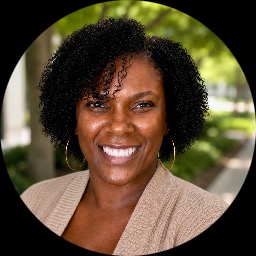
About Ysanda
She prefers a straightforward and practical style. Sessions begin by clarifying the problem and what the client hopes to change. She asks questions to understand patterns, relationships, and daily pressures that shape feelings and behavior. Expect a mix of listening, reflection, and direct feedback aimed at small, realistic steps.
Her background includes medical and psychiatric social work, where she supported veterans and adults facing complex mental health and medical challenges. That work exposed her to the effects of financial strain, changing roles, and shifts in independence. Those experiences inform how she looks at problems beyond symptoms alone.
She also brings lived experience as a person who is hard of hearing and who has a speech difference. That perspective influences her focus on self-advocacy, resilience, and practical problem solving. She uses plain language and avoids jargon during sessions.
In early sessions she helps people identify what keeps them stuck and tests small changes to see what works. She offers suggestions that fit everyday life and follows up on progress. The emphasis is on building confidence, clearer choices, and more effective ways of relating to others and to yourself.
Areas of expertise
Primary focus
Additional focus areas
Experience
3+ years
Credentials
Illinois
Languages
English
How therapeutic methods translate to online work
Many evidence-based therapeutic techniques focus on changing unhelpful thoughts and behaviors and on building practical coping skills. Cognitive approaches look at thought patterns that lower self esteem and increase anxiety, helping people test and revise those thoughts in everyday situations. Behavioral strategies break problems into small steps, encouraging gradual practice of new skills like communication, social confidence, or stress management.Another helpful approach centers on problem-solving and skill building. This involves identifying immediate challenges, brainstorming manageable options, and trying concrete strategies between sessions to see what helps. That method suits common concerns such as adapting to life changes, reducing social anxiety, and improving relationship interactions.
Finding the right approach is part of the work. The therapist will collaborate with each client to decide which techniques match their goals, needs, and preferences. That conversation guides what to try first and how to measure progress together.
Confirm the exact session formats before booking, since the biography does not list specific delivery methods. Online sessions can make it easier to fit appointments into a busy day, allow shorter check-ins when schedules are tight, and reduce the need to travel. These practical benefits can help people sustain regular work on self esteem, anxiety, and everyday stress.
Frequently asked questions
What does she help with most often?
She works with adults dealing with stress, anxiety, depression, relationship concerns, self esteem, and major life changes.
What is her general approach in sessions?
Her style is straightforward and practical, combining listening with direct questions and realistic action steps to test what helps.
How much clinical experience does she have?
She has three years of professional experience as a clinician working in medical and psychiatric social work settings.
Which credential does she hold and where does she practice?
She is an LCSW licensed in Illinois and practices in that state.
Can sessions be held in other languages?
Sessions are offered in English.
Does she work with international clients?
She is not accepting international clients at this time.
How are session fees handled?
Cost varies with location and sessions use a subscription that can be canceled at any time.
What do I do to start a session?
Select the See online therapy options button, complete a short matching questionnaire, and schedule a first session.