- Client-Centered Therapy
- Cognitive Behavioral Therapy
- Bereavement support
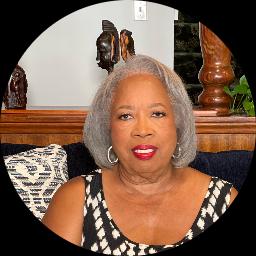
About Verda
She built a career across mental health settings, child protection, family services, criminal justice, and recovery programs. That background informs how she talks about problems: plainly and directly. She has run a twice-monthly bereavement group for several years and has experience with relapse prevention in substance use contexts.
In sessions she centers the person's experience and looks for practical steps to reduce distress. She uses methods that encourage clients to notice patterns, test new behaviors, and practice different ways of responding when stress or shame rises. Conversations cover both immediate coping and longer-term relationship patterns.
Dr. Bradley often helps people dealing with guilt, shame, isolation, or the strain of caregiving. She also addresses family of origin issues, communication problems, commitment worries, and midlife re-evaluation. Her approach includes direct talk about behaviors and options rather than abstract theory.
When grief or end-of-life concerns appear, she draws on group facilitation experience and individual work to help people manage practical and emotional needs. Clients who are looking for clear feedback and steady clinical experience may find her way of working fits well.
Areas of expertise
Primary focus
Additional focus areas
Therapeutic approaches
Experience
30+ years
Credentials
California
Languages
English
Therapeutic approaches used in online sessions
Client-Centered Therapy focuses on listening and reflecting what the person says. It aims to clarify what matters most and help people feel understood so they can consider their own solutions.Cognitive Behavioral Therapy (CBT) looks at the link between thoughts, feelings, and actions. It involves spotting unhelpful thinking patterns and trying small behavioral experiments to reduce anxiety or impulsive responses.
Emotionally-Focused Therapy (EFT) concentrates on emotions that drive relationship patterns. It helps people identify core emotional needs and practice new ways of relating during moments of conflict or disconnection.
Finding the right approach is part of the work. The therapist will collaborate with each person to choose methods that fit their goals, needs, and preferences. That may mean combining ideas from different approaches and adjusting as progress is made.
Confirm the current session options before booking so you know which formats are offered. Online sessions can make it easier to fit therapy into a busy life by removing travel time, allowing shorter check-ins, or letting someone join from wherever they are that provides quieter surroundings. Practical benefits include staying consistent with sessions and trying techniques in everyday settings without changing routine.
Frequently asked questions
What concerns does she address most often?
She commonly helps with stress, anxiety, addictions, relationship and family difficulties, and self esteem issues.
How would you describe her therapeutic style?
Her style is client-centered and practical, focusing on clear conversation and concrete steps to reduce distress.
How much clinical experience does she have?
She brings 30 years of clinical experience across mental health, child protection, family services, criminal justice, and recovery settings.
What are her credentials and where is she based?
She is a California LCSW based in California.
In which language are sessions offered?
Sessions are offered in English and she accepts international clients.
What session formats are available?
Please confirm current session options before booking so you know which formats are offered for appointments.
How are fees handled?
Cost varies with location and sessions use a subscription that can be canceled at any time.
How do I begin working with her?
Select the See online therapy options button, complete the short matching questionnaire, and schedule your first session.