- CBT
- DBT
- EMDR
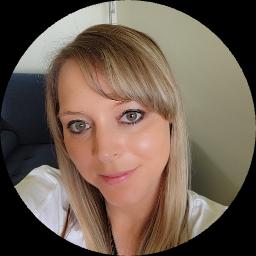
About Tara
She meets people where they are and listens before suggesting a path forward. Sessions focus on practical steps and clearer thinking. Conversations are direct and aimed at reducing shame, increasing motivation, and helping people feel more competent in daily life.
Her approach draws from several well-known methods. Cognitive Behavioral Therapy (CBT) is used to spot and change unhelpful thought patterns. Dialectical Behavior Therapy (DBT) supports stronger emotional regulation and coping skills. Eye Movement Desensitization and Reprocessing (EMDR) can be part of work addressing traumatic memories.
Tara also uses client-centered and mindfulness-based techniques to slow things down and notice what matters most. Motivational Interviewing is available to work through resistance and build commitment to change. She adapts the mix of methods based on what a person says is most useful.
People often come in feeling stuck by guilt, shame, trauma, or the weight of daily stress. Tara helps them break problems into manageable parts and practice new reactions. The goal is clearer choices and steadier days, not quick fixes.
Areas of expertise
Primary focus
Also works with
Additional focus areas
Therapeutic approaches
Experience
8+ years
Credentials
Washington
Languages
English
How therapeutic approaches are used in online sessions
Tara commonly uses Cognitive Behavioral Therapy and Dialectical Behavior Therapy in her work. CBT helps people notice thought patterns that worsen mood and then practice different, more helpful responses. DBT focuses on building emotion regulation, distress tolerance, and interpersonal skills to handle high-stress moments.She also brings in EMDR when trauma memories are limiting daily life. EMDR involves guided processing of distressing memories to reduce their intensity and the emotional reactions they trigger. Together these methods address both thinking patterns and strong emotional responses that underlie low self-esteem and anxiety.
Finding the right approach is part of the work. Tara will talk with each person about their goals, symptoms, and past experiences and then recommend or try approaches that seem likely to help. That decision is made collaboratively and can change as needs evolve.
The practical benefits of online therapy include fitting sessions into busy schedules and reducing travel time. Confirm the therapist's current session formats before booking, since they are not listed in the biography. Online work can allow shorter check-ins, easier scheduling around work or parenting, and options for video or audio depending on what the therapist offers and what works best for the person.
Frequently asked questions
What concerns does she help with most often?
She works with stress, anxiety, depression, self-esteem, addictions, trauma and related mood difficulties.
What style of therapy does she use?
Her style is practical and client-centered, using tools from CBT, DBT, EMDR, mindfulness, and motivational interviewing.
How much experience does she have?
She has eight years of professional work experience with teens and adults.
What are her credentials and location?
She is an LMHC licensed in Washington.
Does she offer sessions in other languages or internationally?
Sessions are offered in English and she does not accept international clients at this time.
What session formats are available?
Please confirm current session options before booking, as formats are not specified in the biography.
How does pricing work?
Cost varies with location and sessions use a subscription that can be canceled at any time.
How do I get started?
Select the See online therapy options button, complete a short matching questionnaire, and schedule a first session.