- CBT techniques
- DBT skills
- Mindfulness practices
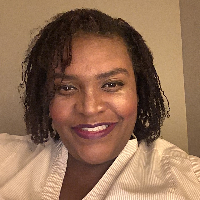
About Tameca
Tameca uses a person-centered stance that relies on the client's perspective. She blends cognitive-behavioral techniques with dialectical behavior strategies and mindfulness practices to help people notice patterns and try practical skills. Sessions focus on clear, doable steps rather than long explanations.
In conversation she listens for what matters most to the individual and then offers coping tools that can be used between sessions. Those tools may include thought-challenging exercises from CBT, emotion regulation skills drawn from DBT, and simple mindfulness practices for managing intense feelings.
She pays attention to relationship patterns and communication habits when clients bring concerns about partners, parenting, or family conflict. Tameca also helps people who feel isolated or stuck work toward clearer goals and better day-to-day coping.
Her style is straightforward and grounded in practical techniques. People leave sessions with specific skills to practice and a plan for small next steps. Tameca encourages clients to notice what helps and to adjust strategies as needed.
Areas of expertise
Primary focus
Also works with
Additional focus areas
Therapeutic approaches
Experience
9+ years
Credentials
Georgia
Languages
English
How therapeutic approaches translate to online sessions
Client-Centered Therapy centers on the client's views and goals, with the therapist following the person's lead and reflecting what matters most. This approach helps when someone needs a space to sort out feelings and priorities before trying new strategies.Cognitive Behavioral Therapy (CBT) focuses on identifying unhelpful thoughts and testing them with practical exercises. CBT is often used for anxiety, low self-esteem, and depression because it teaches specific skills to challenge negative thinking and change behavior.
Dialectical Behavior Therapy (DBT) offers concrete tools for managing intense emotions and improving interpersonal effectiveness. DBT skills can help with anger, strong emotional reactions, and relationship conflicts.
Finding the right mix of approaches is part of the work. The therapist will collaborate with the client to decide which methods fit their goals, needs, and preferences, and will adjust techniques as the work progresses.
Confirm the exact online session formats before booking because the biography did not specify them. In general, online therapy can make it easier to fit sessions into a busy week, allow shorter check-ins when needed, and remove travel time. Many people find it helpful to practice skills at home and then discuss results in session, while others prefer a longer weekly appointment to focus on deeper issues.
Frequently asked questions
What kinds of problems does she help with most often?
She commonly supports people dealing with stress, anxiety, relationship and family concerns, self esteem issues, grief, parenting, anger, and depression.
What approach does she use in sessions?
Her work is person-centered and draws on cognitive behavioral therapy, dialectical behavior strategies, and mindfulness techniques to teach practical coping skills.
How much clinical experience does she have?
She has nine years of experience working in behavioral health settings.
What are her credentials and where is she based?
She is an LPC, a Licensed Professional Counselor, practicing in Georgia.
Can I work with her if I don’t live in the United States?
Sessions are offered in English and she does not accept international clients at this time.
What session formats are offered?
Confirm current session options before booking, as formats were not specified in the biography.
How does payment work and what does it cost?
Cost varies with location; sessions use a subscription that can be canceled at any time.
How do I begin if I want to schedule a first meeting?
Select the See online therapy options button, complete the short matching questionnaire, and schedule a first session.