- Client-Centered Therapy
- Cognitive Behavioral Therapy
- Motivational Interviewing
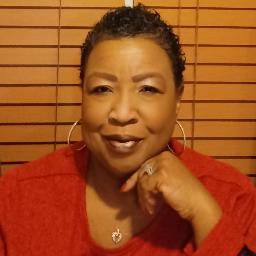
About Sherry
She trained at East Carolina University and spent much of her career in inpatient psychiatric settings. That work gave her regular contact with the geriatric population and with people managing severe mood and thought symptoms. Those years shaped a practical approach to everyday functioning and coping.
In sessions she uses a person-centered outlook. That means she starts by listening to the person’s experience and priorities. She also uses Cognitive Behavioral Therapy to identify unhelpful thinking and to practice different ways of coping. Motivational Interviewing is part of her work when people feel stuck or unsure about making changes.
Her aim is to help people build clearer steps toward better daily functioning. Sessions often involve setting small, concrete goals and practicing skills between meetings. She focuses on problem-solving and developing routines that fit the person’s life.
Sherry works in English and draws on decades of clinical experience when planning care. If someone wants to explore self-esteem work or coping with major life changes, she encourages a first conversation to clarify goals and next steps.
Areas of expertise
Primary focus
Also works with
Additional focus areas
Therapeutic approaches
Experience
32+ years
Credentials
North Carolina
Languages
English
How therapeutic approaches are used in online sessions
Sherry uses a person-centered stance alongside Cognitive Behavioral Therapy and Motivational Interviewing. Client-Centered Therapy means the therapist listens first and follows the person’s priorities, which helps form goals that matter to the individual. Cognitive Behavioral Therapy focuses on identifying unhelpful thoughts and practicing different responses to reduce distress and improve daily functioning. Motivational Interviewing helps when someone feels uncertain about change by exploring ambivalence and supporting clearer reasons to move forward.Choosing the right approach is part of the work. She will collaborate with each person to see which methods fit their goals and preferences, and adjust plans as progress is made. That collaborative decision-making helps keep sessions practical and focused on what the person wants to change.
Session formats are not specified in the biography, so confirm current online options before booking. Online sessions can make it easier to fit therapy into a busy life, allow shorter check-ins when needed, and remove travel time. Those practical benefits can make it simpler to practice skills between meetings and maintain momentum toward goals.
Frequently asked questions
What concerns does she help with most often?
She commonly supports people dealing with low self-esteem, depression, anxiety, anger, grief, bipolar disorder, stress, and coping with life changes.
What is her general approach in sessions?
She takes a person-centered approach, listening first and then working on concrete steps. Sessions often include goal-setting and practical skill practice.
How much clinical experience does she have?
She has 32 years of clinical experience, much of it in inpatient psychiatric settings and work with geriatric patients.
What credentials and location are listed?
She is an LCSW licensed in North Carolina and practices from that state.
Which languages are supported in sessions?
Sessions are offered in English.
Does she work with international clients?
International clients are not currently accepted.
How are sessions scheduled and paid for?
Cost varies by location and sessions use a subscription that can be canceled at any time.
How do I begin if I want to work with her?
Select the See online therapy options button, complete the short matching questionnaire, and then schedule a first session.