- CBT practices
- Motivational interviewing
- Mindfulness and DBT
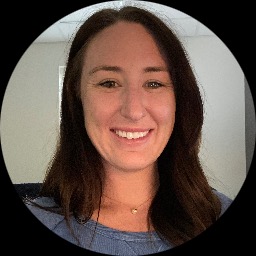
About Samantha
Samantha uses straightforward talking and active listening to help people name what feels hard. She draws on client-centered methods to follow each person's pace and priorities. Cognitive Behavioral Therapy (CBT) is used to spot unhelpful thinking and to try different behaviors that can change day-to-day life.
When substance use or relapse risk are present, Samantha uses motivational interviewing and practical planning to help people identify personal reasons to change and small steps forward. She also incorporates DBT skills and mindfulness tools when strong emotions or impulsivity make it hard to cope.
Sessions focus on clear, usable strategies such as coping plans for panic, stepwise approaches to reduce avoidance, and skill practice for communication problems. Work on self-esteem includes looking at underlying guilt and shame, and building everyday self-care and realistic self-talk.
Samantha works in Florida and conducts sessions in English. She asks new clients to complete a short questionnaire before the first meeting so she can match goals and choose appropriate tools. Her approach aims for steady progress through practical skills and collaborative planning.
Areas of expertise
Primary focus
Also works with
Additional focus areas
Therapeutic approaches
Experience
6+ years
Credentials
Florida
Languages
English
How her methods translate to online work
Samantha uses Client-Centered Therapy to listen carefully and shape sessions around a person's priorities. This approach focuses on letting the client set goals while the therapist follows and reflects back what matters most.She also uses Cognitive Behavioral Therapy to help people notice unhelpful thoughts and test new behaviors. CBT is often used for anxiety, panic, and depression because it breaks problems into manageable steps and homework that can be done between appointments.
Finding the right approach is a collaborative process. Samantha will review goals, try methods that fit those goals, and adjust the plan as needed. She works with each person to choose tools and skills that match what they want to change and how they prefer to work.
If you are considering online sessions, confirm the exact session options before booking since formats were not specified in the biography. Many people find online work helps fit therapy into busy schedules, reduces travel time, allows shorter check-ins when needed, and can make it easier to practice skills in daily life. Samantha aims to help clients pick approaches and session rhythms that fit their routines and needs.
Frequently asked questions
What does she help with most often?
Samantha often works with stress, anxiety, addictions, depression, trauma, and low self-esteem. She also addresses relationship strain, anger, and coping with life changes.
How would she describe her therapeutic style?
Her style is practical and person-focused, using listening and clear skill teaching. Sessions aim to identify problems and build small, usable steps forward.
How much clinical experience does she have?
She has six years of professional experience as a clinician. That experience includes work with addiction concerns and emotional regulation strategies.
What credential does she hold and where is she based?
She is an LMHC (Licensed Mental Health Counselor) licensed in Florida and practices from that state.
Which languages does she use in sessions?
Sessions are offered in English.
Can international clients work with her?
International clients are not currently accepted.
What formats are used for sessions?
The original biography does not specify session formats; please confirm current session options before booking.
How are fees and getting started handled?
Cost varies with location and sessions use a subscription that can be canceled at any time. To begin, select the See online therapy options button, complete a short matching questionnaire, and schedule a first session.