- Client-Centered Therapy
- Cognitive Behavioral Therapy
- Mindfulness practices
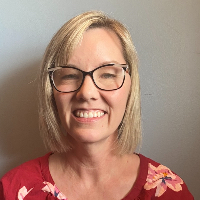
About Sabrina
Sabrina uses a client-centered foundation. She treats people as whole persons and talks through how emotions, relationships, work, and the body interact. She draws on cognitive behavioral techniques to help people notice unhelpful thoughts and try different behaviors. Mindfulness practices are used to develop present-moment awareness and reduce reactivity.
Her background includes trauma-focused work and many years working with mood disorders and attachment-related concerns. She has experience supporting people dealing with abandonment, adoption and foster care matters, body image, impulsivity, and self-harm. She also works with issues that arise in young adulthood and with veterans and armed forces experiences.
Sabrina explains the counseling relationship as collaborative. Clients set their own goals and she helps track progress toward them. At the end of an initial session, she and the client decide whether to continue working together and she will make referrals if ethical standards suggest another professional is a better fit.
She communicates by message about once a day, Monday through Saturday, typically after 5:00 p.m. Eastern Standard Time. International clients are accepted and sessions are conducted in English.
Areas of expertise
Primary focus
Also works with
Additional focus areas
Therapeutic approaches
Experience
20+ years
Credentials
North Carolina
Languages
English
How her approaches are used in online sessions
Sabrina commonly blends client-centered work with cognitive behavioral and trauma-focused strategies. Client-Centered Therapy focuses on the client's goals and perspectives, keeping decisions about therapy in the client's hands. Cognitive Behavioral Therapy (CBT) looks at thoughts and behaviors to reduce anxiety, depression, and unhelpful patterns, and often includes practical exercises to try between sessions.Trauma-Focused Therapy addresses the effects of traumatic events by helping people process memories and learn coping skills for triggers and flashbacks. These approaches can be adapted to online sessions so that conversations, skill practice, and planning happen just as they would in person. Choosing the right mix of methods is part of the work together; the therapist will help figure out which approaches fit the client’s needs, goals, and preferences through discussion and short trials of techniques.
The biography does not list specific session formats, so confirm current options before booking. Online counseling can make it easier to fit sessions into everyday life, allow shorter check-ins when schedules are tight, and reduce travel time. For practical reasons this can help maintain consistency and make it simpler to work on self esteem, anxiety, trauma-related symptoms, and behavior changes without rearranging a full day.
Frequently asked questions
What issues does she help with most often?
Sabrina commonly works with stress, anxiety, depression, relationship and family concerns, trauma and self esteem issues. She also supports people facing bipolar disorder, ADHD, grief, and life changes.
What is her therapeutic style like?
Her style is collaborative and client-centered. She helps people set their own goals and uses practical strategies from cognitive behavioral and mindfulness approaches.
How much experience does she have?
She has 20 years of experience as a counselor working with mood, trauma, attachment, and related concerns.
What credentials and where is she based?
She is an LCMHC, licensed in North Carolina, and practices from that state.
Which languages are supported and can she work internationally?
Sessions are offered in English and she accepts international clients.
What session formats are available?
The original biography does not list specific session formats; confirm current session options before booking.
How is cost handled?
Cost varies with location and services; sessions use a subscription that can be canceled at any time.
How do I begin a first session?
Select the See online therapy options button, complete a short matching questionnaire, and schedule a first session.