- CBT methods
- ACT techniques
- Attachment focus
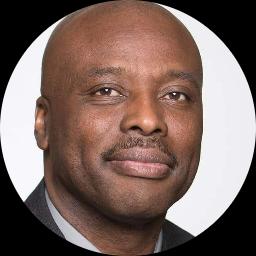
About Ronville
He keeps sessions focused on what the person wants to work on. He asks questions up front about what brought someone to therapy and what has changed. Early appointments are used to build a clear picture and agree on attainable goals.
His practice draws on client-centered ways of working and Cognitive Behavioral Therapy to examine thoughts and actions. He also uses Acceptance and Commitment Therapy and techniques from Attachment-Based and Dialectical Behavior Therapy when helpful. These approaches are used to develop practical skills for managing mood, panic, and overwhelming stress.
Ronville describes his style as approachable and direct. He aims to listen without judgment, offer practical suggestions, and keep a straightforward tone. He uses humor at times to ease tension and to help people talk about difficult topics.
He has experience with a broad range of concerns that include family conflict, abandonment and attachment issues, body image, caregiver stress, communication and control problems, divorce and separation, guilt and shame, impulsivity, isolation, life purpose and money worries. He accepts international clients and holds his license in Florida.
Areas of expertise
Primary focus
Additional focus areas
Therapeutic approaches
Experience
6+ years
Credentials
Florida
Languages
English
How Ronville uses therapy approaches online
Acceptance and Commitment Therapy (ACT) encourages people to notice unhelpful thoughts without fighting them and to choose actions that match their values. This can help with anxiety, low self-esteem and getting unstuck from avoidance patterns.Cognitive Behavioral Therapy (CBT) looks at the links between thoughts, feelings and behaviors. It focuses on practical strategies to reduce panic, manage mood swings, and change repetitive negative thinking.
Attachment-Based ideas are used to explore patterns in relationships and how early connections affect present feelings and reactions. This can be useful when trust, abandonment or closeness issues contribute to stress or anger.
Finding the right mix of approaches is part of the work. The therapist will work with the client to choose methods that match their goals and preferences, trying different tools and adjusting as needed in a collaborative way.
Confirm the session formats before booking, as the biography does not list specific session types. Online sessions can make it easier to fit therapy into daily life, for example by saving travel time, allowing shorter check-ins during a break, or avoiding the need to be on camera for every meeting. Talk and practical skill work translate well to a remote setting, and format options can be chosen to suit pace, attention span, and day-to-day schedules.
Frequently asked questions
What does he help with most often?
He commonly works with stress, anxiety, depression, grief, trauma and self esteem concerns, and also supports people facing ADHD and bipolar-related challenges.
What therapeutic style does he use?
His style is client-centered and practical. He combines Cognitive Behavioral Therapy with ACT and attachment-informed strategies to build skills and clarity.
How much experience does he have?
He has six years of clinical experience as a licensed mental health counselor.
Where is he licensed and based?
He is a Florida LMHC and practices from Florida.
Which languages are sessions offered in?
Sessions are offered in English.
Does he work with clients outside the United States?
International clients are accepted, so people outside the U.S. may be able to connect for sessions.
How are sessions paid for and priced?
Cost varies with location and services. Sessions use a subscription that can be canceled at any time.
How do I get started if I want to meet him?
Use the See online therapy options button, complete a short matching questionnaire, and schedule a first session.