- CBT techniques
- Mindfulness practice
- ACT and DBT elements
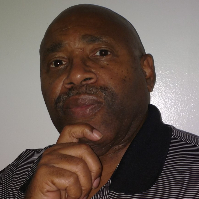
About Richard
He uses several well-known approaches in counseling. Richard often draws on Cognitive Behavioral Therapy, Acceptance and Commitment Therapy, Dialectical Behavior Therapy, Client-Centered methods, and Mindfulness practices. Sessions focus on plain talk about what is causing distress and on practical steps to change unhelpful patterns.
In sessions he helps people notice thoughts and behavior that keep them stuck. He will work on skills for emotion regulation, coping with cravings or urges, and managing panic or strong reactions. For relationship or family concerns he concentrates on how interactions and expectations affect day-to-day life rather than on labels or diagnoses.
Richard’s background includes work across human services and counseling settings. He combines practical problem-solving with techniques to increase awareness and acceptance of difficult feelings. Expect direct guidance, between-session suggestions, and checks on what is and is not working.
For someone who compares themselves with others or doubts their worth, he aims to reduce harsh self-judgment and build steadier ways of coping. People who want clear, workable strategies and straightforward conversation may find his approach helpful.
Areas of expertise
Primary focus
Also works with
Additional focus areas
Therapeutic approaches
Experience
5+ years
Credentials
North Carolina
Languages
English
How his approaches translate to online work
Acceptance and Commitment Therapy (ACT) focuses on noticing difficult thoughts and choosing actions that match personal values; it can help with low self esteem and life transitions. Cognitive Behavioral Therapy (CBT) looks at the link between thoughts, feelings, and behavior and uses exercises to change unhelpful thinking patterns and reduce anxiety. Mindfulness Therapy introduces simple awareness practices to reduce reactivity and improve emotion regulation.Choosing the best approach is part of the work. He will discuss goals and preferences and then try methods that fit the person's situation. That process is collaborative and may shift as progress is seen.
The practical benefits of online work should be checked before booking since session formats are not listed here. Confirm the available session options when you sign up. Online sessions can make it easier to fit counseling around school, work, or caregiving, allow shorter check-ins when needed, and reduce travel time so regular work on self esteem and coping skills is simpler to maintain.
Frequently asked questions
What kinds of problems does he help with most often?
He works with stress, anxiety, addictions, anger, low self esteem, depression, relationship and family concerns, trauma and grief among other issues.
What is his therapy style like?
Sessions are straightforward and pragmatic, focusing on identifying unhelpful thoughts and practicing skills to change behavior.
How much clinical experience does he have?
He has five years of counseling experience in North Carolina, plus prior work in human services.
What credential does he hold and where is he based?
He is a Licensed Clinical Mental Health Counselor (LCMHC) licensed in North Carolina and practices there.
Which languages are available for sessions?
Sessions are offered in English.
Can international clients work with him?
He does not accept international clients at this time.
How does pricing work for sessions?
Cost varies by location and sessions use a subscription that can be canceled at any time.
How do I begin working with him?
Select the See online therapy options button, complete a short matching questionnaire, and schedule a first session.