- Cognitive Behavioral Therapy
- Mindfulness Therapy
- Acceptance and Commitment
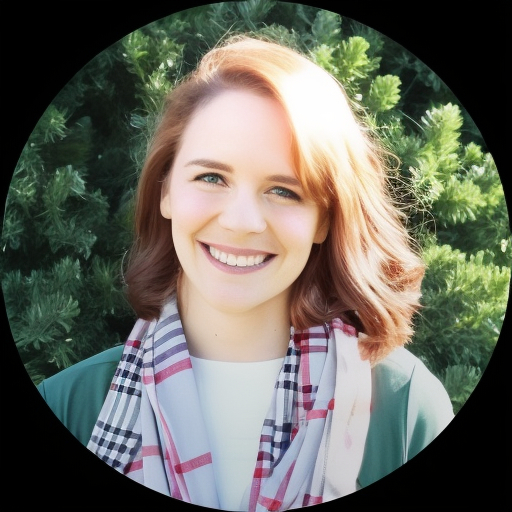
About Rachel
She uses clear, straightforward conversations to identify what is most troubling. Sessions focus on practical skills people can try between meetings. Rachel blends techniques from cognitive behavioral therapy and mindfulness to help people notice unhelpful thoughts and shift how they respond to them.
Her approach also draws on acceptance and commitment ideas and client-centered listening. That means she encourages people to clarify what matters to them, accept difficult feelings, and take small steps toward those values. Dialectical behavior strategies are used when clients need concrete coping skills for overwhelming emotions or panic.
Rachel often works with concerns related to attachment, abandonment, and communication problems. She also supports people dealing with divorce, narcissistic dynamics, guilt and shame, and social anxiety. Sessions look at patterns that keep someone stuck and test different ways of handling them.
She combines practical exercises, conversational reflection, and mindfulness practice in a straightforward way. People leaving her sessions can expect clear suggestions and simple tools to try in daily life. Her background and therapies aim to make change feel manageable rather than overwhelming.
Areas of expertise
Primary focus
Also works with
Additional focus areas
Therapeutic approaches
Experience
5+ years
Credentials
Ohio
Languages
English
Therapeutic approaches used for online work
Rachel frequently draws on cognitive behavioral therapy and mindfulness therapy in her work. CBT focuses on identifying and changing thought patterns and behaviors that contribute to anxiety, depression, and low self-esteem. Mindfulness practice teaches simple attention and breathing exercises to reduce reactivity and improve sleep and stress management.She also uses acceptance and commitment therapy when people are stuck on painful feelings. ACT helps people name what matters to them and take small value-driven steps even when feelings are difficult. These approaches can be combined, and she will work with each person to find which methods feel most helpful based on their goals and preferences.
Confirm the precise online session formats before booking, as specific formats are not listed in the biography. In general, online sessions can make it easier to fit appointments into a busy day, allow for shorter check-ins when needed, and reduce travel time. Rachel aims to help people integrate skills into everyday life so sessions support practical changes rather than feeling like extra work.
Frequently asked questions
What does she help with most often?
She commonly works with stress, anxiety, depression, trauma, relationship and family concerns, self esteem, parenting challenges, grief, sleep problems, compassion fatigue, and ADHD-related issues.
What kind of therapy style does she use?
Her style is conversational and practical, using client-centered listening alongside skills-based methods like CBT, DBT, ACT, and mindfulness to address thoughts, emotions, and behaviors.
How much clinical experience does she have?
She has five years of experience working with adults on emotional and relational concerns.
What credential and location information applies?
She is an LPCC licensed in Ohio and practices out of that state.
Which languages are offered and are international clients accepted?
Sessions are offered in English and she is not currently accepting international clients.
What session formats are available?
Confirm the current session formats before booking, as the biography does not list specific formats.
How does cost and payment work?
Costs vary with location; sessions use a subscription that can be canceled at any time.
How do I begin working with her?
Click the See online therapy options button, complete a short matching questionnaire, and schedule a first session.