- CBT methods
- EMDR for trauma
- Narrative therapy
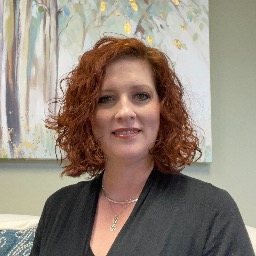
About Patricia
Patricia prefers a straightforward and interactive style. She uses client-centered conversation to listen and clarify what matters to each person. Then she helps set small, concrete goals to try between sessions so progress is measurable.
She draws on cognitive behavioral techniques to identify unhelpful thinking patterns and test new behaviors. Psychodynamic ideas are used when exploring how past relationships affect current choices. Narrative work helps people rewrite self-critical stories, and EMDR can be included when trauma memories are interfering with daily life.
People often come for help with family conflict, parenting strain, body image, abandonment and attachment questions, or anger and impulsivity. Patricia also supports those dealing with hospice and end-of-life matters, adoption and foster care issues, and compassion fatigue.
Her approach treats each person as an active partner. She explains options plainly, checks that the plan feels manageable, and adjusts steps if something is not working. The focus is on clearer thinking, steadier routines, and actions that reduce shame and increase self-respect.
Areas of expertise
Primary focus
Also works with
Additional focus areas
Therapeutic approaches
Experience
10+ years
Credentials
Kentucky, Tennessee
Languages
English
How her approaches work in online sessions
Client-Centered Therapy places the person’s concerns and goals at the center of conversation. The therapist listens, reflects what she hears, and helps clients decide the next steps that feel doable. Cognitive Behavioral Therapy (CBT) breaks problems into thoughts, feelings, and actions and teaches clear exercises to test new ways of thinking and behaving. EMDR focuses on disturbing memories that keep causing distress and uses structured processing to reduce their impact; it is often used when trauma memories interfere with daily life.Finding the right approach is part of the work together. Patricia will discuss different methods and try options that match the client’s needs, goals, and preferences. She views therapy as a collaborative process and adjusts the plan based on how a client responds over time.
The original biography does not specify which online session formats are offered, so confirm the current options before booking. Online sessions can make it easier to fit therapy into a busy week, allow shorter check-ins when needed, and reduce travel time. They also let people continue work with the same therapist while living in a different part of the state. Licensed professionals can use the approaches above in remote sessions to focus on thinking patterns, replaying and reworking difficult memories, or reshaping personal narratives.
Frequently asked questions
What concerns does she help with most often?
Patricia works with stress, anxiety, depression, trauma, relationship and parenting issues, and self esteem concerns.
What is her therapy style like?
Her style is interactive and straightforward, focusing on clear goals and practical steps rather than labels.
How much clinical experience does she have?
She has ten years of experience as a Licensed Clinical Social Worker working with a wide range of concerns.
What are her credentials and where is she based?
She holds an LCSW and practices in Kentucky.
Can she work with non-English speakers or international clients?
Sessions are offered in English and she is not accepting international clients.
What session formats are offered?
The original biography does not list specific session formats; confirm the current session options before booking.
How are fees handled?
Cost varies with location and sessions use a subscription that can be canceled at any time.
How do I begin a first session?
Select the See online therapy options button, complete a short matching questionnaire, and schedule a first session.