- CBT methods
- EMDR techniques
- DBT skills
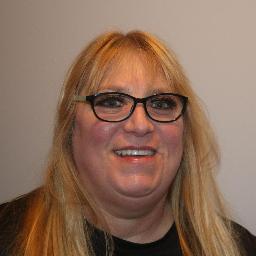
About Lisa
Lisa uses straightforward language in sessions. She combines practical strategies from cognitive behavioral therapy with elements of EMDR and solution-focused ideas to address current problems. She helps people map out clear steps they can try between sessions and checks in on what actually helps.
Her style is down-to-earth and direct. She aims to keep things realistic and useful rather than abstract. Humor and plain speech are part of how she makes difficult topics easier to talk about.
Clients work together with Lisa to build a treatment plan based on personal goals and circumstances. She values the client’s own knowledge about their life and factors that influence what will work best. The plan can include skill practice, focused talk work, and processing painful memories when appropriate.
Lisa also uses Dialectical Behavior Therapy skills and motivational interviewing tools to help with emotion regulation, interpersonal problems, and building motivation for change. For people coping with traumatic memories she incorporates EMDR techniques when they fit the goals of treatment.
Overall she focuses on practical steps for managing symptoms, improving relationships, and strengthening self esteem. The emphasis is on what clients can do now to feel less stuck and more able to handle day-to-day demands.
Areas of expertise
Primary focus
Also works with
Additional focus areas
Therapeutic approaches
Experience
9+ years
Credentials
Maine
Languages
English
How her approaches translate to online work
Client-Centered Therapy focuses on listening and following the client’s priorities. In practice this means the therapist reflects concerns, clarifies goals, and works at the client’s pace to decide what to tackle first. Cognitive Behavioral Therapy (CBT) breaks problems into patterns of thoughts, emotions, and behaviors. Online CBT often includes concrete skill drills, thought records, and behavior experiments the client practices between sessions. Eye Movement Desensitization and Reprocessing (EMDR) is a method used to process traumatic memories; elements of EMDR are applied when trauma processing fits the client’s goals and readiness.Finding the right approach is collaborative. The therapist will discuss different methods and try options that match the person’s needs and preferences. Plans are adjusted over time based on what works and what does not, with the client helping to shape the direction of treatment.
The practical benefits of online work include fitting sessions into a busy life and keeping short, regular check-ins that build momentum. Because the biography does not list specific session formats, confirm available session options before booking. Many people find online sessions make it easier to attend regularly and practice skills between meetings without major travel.
Frequently asked questions
What concerns does she most often address?
She commonly helps with stress, anxiety, trauma and abuse, depression, bipolar, ADHD, and self esteem challenges.
What is her therapeutic style like?
Her style is direct and down-to-earth, using plain language and practical steps rather than abstract theory.
How much experience does she have?
She has nine years as a licensed clinician and over twenty years working in the mental health field in various roles.
What are her credentials and where is she based?
She is an LCPC - Licensed Clinical Professional Counselor in Maine.
Which languages are supported?
Sessions are offered in English.
Can people outside the United States work with her?
She does not accept international clients.
How are sessions handled and what does it cost?
Session cost varies with location and uses a subscription model that can be canceled at any time.
How do I begin the process?
Click the See online therapy options button, complete the short matching questionnaire, and schedule a first session.