- CBT techniques
- DBT skills
- Motivational interviewing
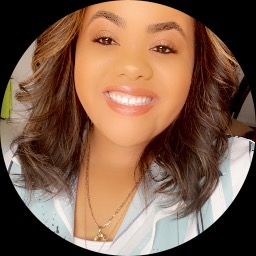
About Lequoia
In sessions she uses straightforward conversation and practical skills work. She draws on client-centered methods to center the client's goals and values. Cognitive Behavioral Therapy (CBT) is used to identify unhelpful thinking patterns and try different behaviors. Dialectical Behavior Therapy (DBT) skills are offered for emotion regulation and distress tolerance when feelings feel overwhelming.
Lequoia also integrates mindfulness techniques and motivational interviewing to support small, achievable changes. This can include short exercises for attention, or guided questions to clarify what matters most. She applies these methods to concerns such as body image, self-love, panic, social anxiety, and relationship strain.
Her approach is direct and practical rather than theoretical. Sessions focus on what is useful day to day - managing anxiety, reducing urges linked to addiction, or building self-respect through concrete steps. People who need help with divorce, separation, or substance use can also discuss goals related to those issues.
Lequoia frames therapy as collaborative work. She listens to what is important, suggests strategies from evidence-based approaches, and adjusts plans as progress is made. To begin, people complete a brief matching questionnaire and schedule an initial session.
Areas of expertise
Primary focus
Also works with
Additional focus areas
Therapeutic approaches
Experience
5+ years
Credentials
Florida
Languages
English
Approaches used in remote sessions and how they help
Lequoia uses Client-Centered Therapy to keep the focus on the client’s goals and values, helping people clarify what matters most and decide next steps. Cognitive Behavioral Therapy (CBT) is used to spot thinking patterns that increase anxiety or low self-esteem and to try new, more helpful behaviors. Dialectical Behavior Therapy (DBT) offers concrete skills for regulating strong emotions and tolerating distress without harmful responses.Finding the right approach is part of the process. She works collaboratively to test methods and adjust them based on the client’s needs, goals, and preferences. That means trying practical skills and checking in on what actually helps in everyday life.
Session formats were not specified in the biography, so confirm available options before booking. Online work can make it easier to fit sessions into a busy week, allow shorter check-ins when time is tight, and reduce travel time. Licensed professionals can adapt interventions like CBT exercises, DBT skills training, and mindfulness practices to be useful in remote sessions while focusing on concrete steps to build self-esteem and reduce urges linked to addiction.
Frequently asked questions
What concerns does she help with most often?
She commonly addresses stress, anxiety, addictions, self esteem, and confidence alongside related issues like body image and panic.
What kind of therapy style does she use?
Her style is client-centered with practical, skills-based methods drawn from CBT and DBT and supported by mindfulness and motivational interviewing.
How much clinical experience does she have?
She has five years of professional experience as a counselor working with the listed concerns.
What credential does she hold and where does she practice?
She is an LMHC licensed in Florida and provides services from that state.
Which languages are sessions offered in?
Sessions are offered in English.
Can I work with her from outside the United States?
International clients are not accepted at this time.
What session formats are available?
Confirm current session options before booking, as formats were not specified in the biography.
How does cost and scheduling work?
Cost varies by location and sessions use a subscription that can be canceled at any time; start by completing the short matching questionnaire to schedule a first session.