- CBT techniques
- DBT skills
- Attachment focus
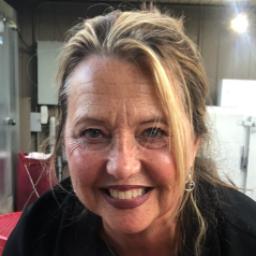
About Kristie
She uses client-centered methods to listen and focus on what matters most to each person. Cognitive Behavioral Therapy (CBT) is part of her work to identify unhelpful thoughts and try practical changes. Dialectical Behavior Therapy (DBT) skills are included when emotional regulation and strong reactions are present.
Her practice also addresses caregiver stress, chronic illness and pain, and family of origin issues. She helps people handle loneliness, guilt and shame, and the emotional fallout of divorce and separation. Hospice and end-of-life concerns are part of her experience as well.
Sessions often involve talking through recent problems, examining patterns from earlier relationships, and trying small changes in thinking or behavior. She pays attention to attachment issues and communication problems that keep people stuck. Work can include skills practice, changes to daily routines, and reflecting on long-standing emotional patterns.
Kristie asks clients to consider how therapy fits with their life and goals. She speaks English and sees clients in Michigan. People should confirm current session options before booking.
Areas of expertise
Primary focus
Additional focus areas
Therapeutic approaches
Experience
25+ years
Credentials
Michigan
Languages
English
Approaches used and how online sessions work
Kristie integrates Client-Centered Therapy and Cognitive Behavioral Therapy (CBT) in her practice. Client-Centered Therapy focuses on listening without judgment and helping people name what matters most to them. CBT looks at the link between thoughts, feelings, and behaviors and introduces practical steps to change unhelpful patterns.She also uses Dialectical Behavior Therapy (DBT) skills when intense emotions or difficulties with regulation come up; DBT teaches concrete skills for managing strong reactions and improving interaction. These approaches are aimed at problems like anxiety, mood instability, trauma responses, and low self-esteem by combining understanding with skill practice.
Finding the best approach is collaborative. The therapist will talk with each person about goals, preferences, and what feels most useful. Together they decide whether to emphasize listening and exploration, thought-focused exercises, or skills training, and that plan can change over time.
This profile does not list specific session formats, so confirm current online options before booking. Online work can make it easier to fit sessions into a busy life, shorten travel time, and allow steady check-ins during stressful periods. Some formats may be better for shorter check-ins or for people who prefer not to use video, so ask about the options when scheduling.
Frequently asked questions
What concerns does she most often address?
She commonly works with stress, anxiety, trauma and abuse, bipolar disorder, depression, and low self-esteem.
What approaches does she use in sessions?
Her work draws on Client-Centered Therapy, Cognitive Behavioral Therapy (CBT), Dialectical Behavior Therapy (DBT), and psychodynamic ideas to guide conversation and practical change.
How long has she been practicing?
She has 25 years of clinical experience as a therapist in Michigan.
What credential does she hold and where is she based?
She is an LMSW licensed in Michigan and provides services from that state.
Does she offer sessions in other languages?
Sessions are offered in English.
Can she work with people outside the United States?
She is not currently accepting international clients.
How are sessions paid for and what does it cost?
Cost varies with location; sessions use a subscription that can be canceled at any time.
How do I start a first session?
Select the See online therapy options button, complete a short matching questionnaire, and schedule a first session.