- CBT methods
- DBT skills
- Mindfulness practice
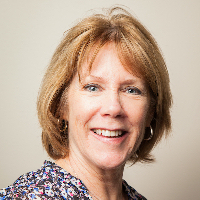
About Kathy
She aims to build a trusting working relationship and to understand each person’s goals for counseling. Sessions focus on identifying strengths and practical steps to manage symptoms, reduce distress, and improve daily functioning. Dr. Cox draws on straightforward, skills-based approaches that help people handle hard moments and make concrete changes.
Her background includes many years as a clinician and a semi-retired social work professor. She has published two books, one on social work practice and one on self-care for counselors. That mix of clinical and academic work informs a pragmatic style that values clear strategies and real-world application.
In sessions she often uses client-centered discussion alongside cognitive behavioral methods and DBT skills to address thinking patterns, emotion regulation, and coping. Mindfulness practices and motivational interviewing also appear in her work when useful for building awareness and supporting change.
Outside of work she enjoys yoga, swimming, and time with her dogs. She is widowed and has three adult children, which shapes her understanding of caregiver strain and life adjustments people face.
Areas of expertise
Also works with
Additional focus areas
Therapeutic approaches
Experience
30+ years
Credentials
California
Languages
English
How her approaches translate to online work
Client-Centered Therapy focuses on listening and reflecting so people feel understood and can name their goals; it helps when someone needs space to sort out values and priorities. Cognitive Behavioral Therapy (CBT) looks at thoughts and behaviors to reduce symptoms and teach strategies for anxiety, depression, and self-esteem concerns. Dialectical Behavior Therapy (DBT) offers concrete emotion regulation and distress tolerance skills that are useful for managing strong feelings and improving relationships.Finding the right mix of approaches is part of the process. The therapist and client will review needs, goals, and preferences together and adjust methods as they go. Sessions are collaborative and often blend skills practice with problem-solving and reflection.
Session formats are not specified in the biography, so confirm current options before booking. Online work can make it easier to fit counseling into a busy life, for example by avoiding travel, reducing time away from work, or allowing shorter check-ins when needed. Many clients find it simpler to maintain continuity of care this way while they try new coping strategies.
Frequently asked questions
What concerns does she help with most often?
She commonly helps people facing anxiety, depression, trauma and grief, as well as self-esteem and relationship stress.
What is her therapeutic style?
Her style is practical and skills-focused, using clear steps to manage symptoms and improve everyday functioning.
How much clinical experience does she have?
She has 30 years of experience as a clinician and formerly worked as a social work professor.
What are her credentials and location?
She is a California LCSW and practices in California.
Which languages are supported?
Sessions are offered in English.
Does she accept international clients?
She does not accept international clients at this time.
How does payment and cost work?
Cost varies with location; sessions use a subscription model that can be canceled at any time.
How do I begin a first session?
Select the See online therapy options button, complete a short matching questionnaire, and schedule a first session.