- CBT techniques
- Trauma-focused work
- Solution-focused steps
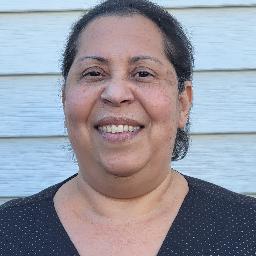
About Ivelisse
She spent much of her early career working with children and youth and later moved into adult work. She earned a Master of Social Work from New York University and a bachelor’s degree in Psychology from College of Mount Saint Vincent. Her clinical career began in 1995 on a Children Mobile Mental Health Crisis Team in New York.
In practice she focuses on practical steps people can take to manage emotions and behavior. Sessions involve talking through current problems, identifying obstacles, and working on small changes that feel doable. She draws on a mix of methods to match each person’s needs and style rather than following one fixed method.
Her background includes long experience with clients who have faced trauma, mood disorders, disruptive behavior, and complex family situations. She has trained in approaches such as Cognitive Behavioral Therapy, Trauma-Focused work, and Solution-Focused methods and applies elements from those approaches as useful for the person in front of her.
Ivelisse aims to build a trusting working relationship, find each person’s strengths, and help them notice and address barriers that keep problems repeating. She emphasizes skills people can practice between sessions to gain more control over their emotions and choices.
Areas of expertise
Primary focus
Also works with
Additional focus areas
Therapeutic approaches
Experience
25+ years
Credentials
New York
Languages
English, Spanish
How her approaches translate to online sessions
Client-Centered Therapy focuses on understanding each person’s experience and working from their strengths. Online sessions let the therapist listen and reflect, helping clients name problems and decide their next step. Cognitive Behavioral Therapy (CBT) breaks problems into thoughts, feelings, and behaviors and teaches practical skills. In remote sessions CBT can include setting small practice tasks and reviewing how those tasks went between meetings.Choosing the right approach is part of the work she does with the person. She will talk with the client about goals, symptoms, and what feels most useful, then try approaches that match those needs. That collaboration helps adjust methods over time if something isn’t working.
The practical benefits of online therapy vary by situation, so confirm current session options before booking. Many people find remote sessions easier to fit into a weekday or a work break, or better for shorter check-ins when bandwidth is limited. If you want to work together, discuss which session pattern and length best fit your routine during the first meeting.
Frequently asked questions
What kinds of concerns does she most often address?
She works with stress, anxiety, trauma and abuse, parenting challenges, depression, ADHD, relationship and family difficulties, grief, anger, bipolar mood issues, and self esteem problems.
What approach does she use in sessions?
She uses a client-centered approach and borrows techniques from Cognitive Behavioral Therapy, Solution-Focused Therapy, and Trauma-Focused methods to fit the person’s needs.
How much experience does she have?
She has 25 years of experience in mental health, beginning work in 1995 and later earning an MSW from New York University.
What credential does she hold and where is she based?
She is a Licensed Clinical Social Worker (LCSW) licensed in New York and practices in New York.
Which languages are supported for sessions?
Sessions are offered in English and Spanish.
Can international clients work with her?
She does not accept international clients at this time.
How are fees handled?
Cost varies with location and services; sessions use a subscription that can be canceled at any time.
How do I begin if I want to try sessions?
Select the See online therapy options button, complete the short matching questionnaire, and schedule a first session.