- CBT informed
- Client-centered focus
- Existential perspective
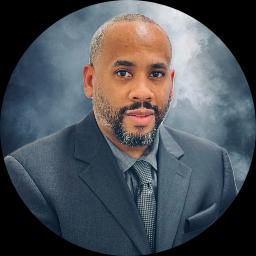
About Hershel
Hershel uses straightforward, conversational sessions that center on the person's goals. He relies on cognitive behavioral ideas to identify unhelpful thoughts and test new behaviors. He also draws on client-centered and existential approaches to help people clarify values and personal meaning.
His training includes a Master of Arts in Counseling (Community) from the University of Detroit Mercy and a Bachelor of Science in Psychology from Wayne State University. Work history includes case management and clinical roles in community programs and an intensive internship providing therapy at the John D. Dingell Department of Veterans Affairs.
In practice he conducts assessments and individual counseling, and he has experience with group work and program-based treatment settings. He has worked with people facing substance use, transitional life changes, grief and interpersonal challenges. Notes and assessments are part of the routine recordkeeping he maintains.
Hershel follows the ethical code for counselors and the Michigan Board of Counseling standards. He currently provides services under the LPC credential and conducts clinical work in Michigan. Sessions follow a professional practice model that balances goal-focused techniques with space to discuss values and meaning.
Areas of expertise
Primary focus
Additional focus areas
Therapeutic approaches
Experience
22+ years
Credentials
Michigan
Languages
English
How Hershel uses specific approaches in online work
Hershel often uses cognitive behavioral therapy to help people notice and change unhelpful thought patterns and behaviors. CBT is practical and works well for anxiety, low self esteem, and depressive thinking by breaking problems into small, testable steps.He also incorporates client-centered therapy, which focuses on listening and responding to the person's concerns without directing their choices. This approach helps when someone wants to feel heard and sort out personal values or relationship questions. Existential ideas are used to talk through meaning, life purpose, and uncomfortable choices when those topics come up.
Deciding which approach fits best is part of the work. He will discuss options and adapt methods based on the person's needs, goals, and preferences in a collaborative way.
Session formats are not specified in the original biography, so confirm current session options before booking. Online sessions can make scheduling easier and help fit therapy into a busy day, allow shorter check-ins when needed, and remove the need to travel to an office. Licensed professionals, including this counselor, often use these practical benefits to help therapy fit into everyday life.
Frequently asked questions
What concerns does he address most often?
He commonly helps people with stress, anxiety, relationship issues, family concerns, low self esteem, and depression.
What is his general therapy style?
He works in a conversational, goal-focused way that combines cognitive behavioral techniques with client-centered and existential ideas.
How much clinical experience does he have?
He has 22 years of counseling experience in community and program settings.
What are his credentials and where does he practice?
He is a Licensed Professional Counselor (LPC) practicing in Michigan.
Which languages are sessions offered in?
Sessions are offered in English.
Can he work with clients outside the United States?
International clients are not currently accepted.
How does payment and cost work?
Cost varies with location; sessions use a subscription that can be canceled at any time.
What do I need to do to start a first session?
Select the See online therapy options button, complete a short matching questionnaire, and schedule a first session.