- Client-Centered Therapy
- Psychodynamic Therapy
- Solution-Focused Therapy
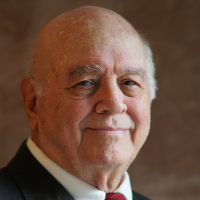
About Herschel
He treats each person as an individual. Sessions focus on practical steps and clearer thinking. He adapts his methods as a client's situation changes and new goals appear. Conversations aim to make problems more manageable rather than to promise quick fixes.
Dr. Pollard draws on client-centered work to prioritize the client's perspective. He uses psychodynamic ideas to look at patterns that keep repeating. He also applies solution-focused techniques to set short-term targets and measure progress.
In sessions he listens for the problems that matter most and then helps people try concrete changes. Therapy often includes talking about past patterns, looking at current behavior, and planning small actions to test new ways of coping. Sessions balance exploration with goal-oriented steps.
With decades of experience, he is used to shifting the approach as needs shift. People who are hard on themselves and doubt their worth may find the steady, plainspoken style useful for working on self esteem and related concerns.
Areas of expertise
Primary focus
Also works with
Additional focus areas
Therapeutic approaches
Experience
58+ years
Credentials
Arkansas
Languages
English
How his approaches translate to online work
Client-Centered Therapy focuses on the client's own perspective and priorities. Online sessions using this approach let the client lead topics while the therapist reflects concerns and supports clearer self-understanding. This can help with self esteem, anxiety, and relationship questions.Psychodynamic Therapy examines repeating patterns that show up in current life. In an online setting this means talking about history and recurring behaviors, then noticing how those patterns affect present choices and feelings. It can be useful for people who want to understand why they keep repeating the same mistakes.
Solution-Focused Therapy concentrates on short-term, measurable goals and small experiments. Online sessions can use this method to set specific steps between meetings, check progress, and adjust the plan quickly when something is or isn't working.
Finding the right mix of approaches is part of the work. He treats the choice of method as a collaborative decision based on the client's needs, goals, and preferences. Clients and the therapist review what helps and adapt the plan over time.
Session formats are not specified in the biography, so confirm the current options before booking. Practically speaking, online sessions can make it easier to fit therapy into a busy week, allow shorter check-ins when needed, reduce travel time, and let people use audio rather than video if that suits them better. These benefits aim to help therapy fit daily life rather than require large schedule changes.
Frequently asked questions
What concerns does he work with most often?
He commonly addresses stress, anxiety, depression, relationship issues, trauma and self esteem concerns among many other areas.
What is his therapeutic style like?
He uses a plain, pragmatic style that balances exploring past patterns with setting short-term targets for change.
How long has he practiced?
He has 58 years of clinical experience working with a wide variety of problems and people.
What are his credentials and where is he located?
He is listed as AR Psychologist 08-07P and practices in Arkansas.
Which languages are supported?
Sessions are offered in English.
Does he work with international clients?
International clients are not currently accepted.
How does payment and cost work?
Cost varies with location and sessions use a subscription that can be canceled at any time.
How do I begin a first session?
Choose the See online therapy options button, complete a short matching questionnaire, and schedule a first session.