- Anxiety and depression
- Cognitive behavioral work
- Motivational interviewing
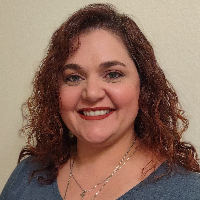
About Gina
Gina uses clear, direct conversation in sessions. She draws on cognitive behavioral ideas to look at how thoughts and actions link to feelings. She also uses client-centered listening, motivational interviewing, narrative techniques, and solution-focused tools to help people identify small, practical steps forward.
Her background includes work with survivors of intimate partner violence, human trafficking, and other complex trauma, as well as first responder issues and military-related experiences. That history informs how she approaches safety, pacing, and planning during sessions.
Sessions focus on honest feedback and getting concrete skills into daily life. Gina aims to help people notice patterns, practice new responses, and reduce shame or self-blame. She will help break larger problems into manageable goals and track progress over time.
Gina sees people in Texas and Florida and offers conversations by video, phone, and chat. Before booking, people should confirm which session formats best fit their schedule and needs.
Areas of expertise
Primary focus
Also works with
Additional focus areas
Therapeutic approaches
Experience
7+ years
Credentials
Texas, Florida
Languages
English
How Gina’s therapeutic approaches translate to online work
Client-Centered Therapy focuses on listening and reflecting back what someone says so they feel understood; it helps people clarify feelings and build trust in their own responses. Cognitive Behavioral Therapy (CBT) looks at the links between thoughts, behaviors, and feelings and teaches practical skills to change unhelpful patterns, which can help with anxiety, low self-esteem, and depression. Motivational Interviewing uses open questions and reflective feedback to help someone identify their own reasons for change and take small steps toward those goals.Choosing the right approach is part of the work. Gina will collaborate with each person to pick methods that match their goals, preferences, and day-to-day life. That means trying techniques, checking what helps, and adjusting plans together rather than committing to a single method up front.
Her biography notes she offers video, phone, and chat sessions; confirm the current session options before booking. Online sessions can make it easier to fit counseling into a busy schedule, allow for shorter check-ins when needed, and let someone choose a format that reduces time spent traveling. Therapists can still use CBT worksheets, motivational interviewing prompts, and narrative exercises through online conversation, so practical skill-building and planning remain a strong focus in remote work.
Frequently asked questions
What concerns does she most often address?
She commonly works with stress, anxiety, depression, self-esteem struggles, addiction, trauma, and grief.
How would she describe her therapeutic style?
Her approach blends client-centered listening with cognitive behavioral techniques, motivational interviewing, narrative methods, and solution-focused tools.
How much clinical experience does she have?
She has seven years as a licensed therapist and more than 20 years in the mental health field overall.
What are her credentials and where is she based?
She is an LPC in Texas and an LMHC in Florida, and she sees people who are located in Texas.
Can I work with her if I live outside the United States?
She does not accept international clients at this time; sessions are offered in English.
What session formats does she offer?
Her biography states she offers video, phone, and chat sessions; confirm current session options before booking.
How much do sessions cost?
Cost varies with location; sessions use a subscription that can be canceled at any time.
How do I begin a first session?
Select the See online therapy options button, complete a short matching questionnaire, and schedule a first session.