- Client-Centered Therapy
- Cognitive Behavioral Therapy
- Mindfulness techniques
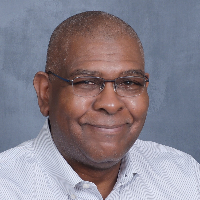
About Anthony
He trained at the University of South Alabama and earned a master’s degree in Community Counseling in 1999. Since then he has worked with a wide range of adults, couples and teens in different settings. That background means he brings long practice with common problems like substance misuse, interpersonal conflict, and trauma recovery.
Anthony uses straightforward, practical methods in sessions. He favors client-centered conversations that focus on strengths, and he draws on cognitive behavioral techniques to address unhelpful thoughts and behavior. He also uses mindfulness tools to ease intense emotions and emotionally-focused methods to address relationship patterns.
Sessions typically involve talking through current difficulties, learning specific skills, and practicing new ways of responding. He will listen to what matters most and help set clear, realistic steps to make small changes over time.
Anthony also works on issues such as abandonment, blended family strain, caregiver stress, codependency, communication and control problems, divorce and separation, domestic violence aftermath, and forgiveness or guilt concerns. He supports people dealing with first responder stress and recovery after disasters.
People who want a practical, long-experienced counselor often choose him for steady, direct help with everyday struggles and persistent feelings of low self-worth.
Areas of expertise
Primary focus
Also works with
Additional focus areas
Therapeutic approaches
Experience
30+ years
Credentials
Alaska
Languages
English
How Anthony uses therapeutic approaches online
Anthony commonly uses client-centered work and cognitive behavioral therapy when helping people with low self-esteem, anxiety, depression and addictive behaviors. Client-Centered Therapy focuses on listening, clarifying what matters to the person, and working from their strengths to set manageable goals. Cognitive Behavioral Therapy aims to identify unhelpful thinking and behavior patterns and then practice new responses to reduce distress.He also draws on Emotionally-Focused Therapy for relationship patterns and Mindfulness Therapy to help manage strong emotions and improve sleep or anger regulation. These methods are presented in plain steps and short exercises that can be practiced between sessions. Finding the right mix of approaches is part of the process and will be decided together. He will work collaboratively to match methods to a person's goals, preferences and day-to-day constraints.
Session formats are not specified in the biography, so please confirm current online session options before booking. Many people find online work helpful because it makes it easier to fit sessions into a busy life, allows shorter check-ins when needed, and removes travel time. Licensed professionals can adapt exercises, thought-records and mindfulness practices to remote sessions to keep progress moving between meetings.
Frequently asked questions
What concerns does he help with most often?
He works with stress, anxiety, addictions, relationship and family issues, depression, trauma and abuse, grief, sleep problems, anger, self esteem, bipolar disorder, ADHD and life changes.
What is his approach or style in sessions?
He uses a practical, strengths-based style with client-centered conversations and skill teaching. You can expect talk combined with exercises from cognitive behavioral and mindfulness methods.
How long has he been practicing?
He has 30 years of clinical experience and earned a master’s degree in Community Counseling in 1999.
What are his credentials and where is he located?
He is a Licensed Professional Counselor (LPC) based in Alaska.
Which languages are sessions offered in?
Sessions are offered in English.
Can international clients work with him?
He does not accept international clients at this time.
How are sessions scheduled and what does cost look like?
Cost varies with location and sessions use a subscription that can be canceled at any time.
How do I begin working with him?
Click the See online therapy options button, complete the short matching questionnaire, and schedule a first session.