- Self esteem work
- CBT methods
- Motivational interviewing
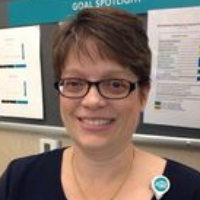
About Tracey
She uses straightforward talk and practical skills in sessions. Conversations focus on what is happening now and what can change. She draws on cognitive behavioral strategies to spot unhelpful thinking and try different behaviors. Motivational Interviewing is used to help people find their own reasons to try something new.
Tracey approaches difficult topics directly and respectfully. She pays attention to how past experiences affect current relationships and sense of self. Sessions include checking small steps, planning coping strategies, and reviewing what worked between meetings.
Her background includes long-term work with mood disorders and trauma-related concerns. That experience informs how she helps people manage mood swings, improve day-to-day functioning, and address the impacts of abuse or abandonment. She also supports women facing gender-related stressors.
People can expect clear explanations of methods and concrete suggestions to practice outside sessions. The first meetings often focus on immediate priorities and safety, then move toward building skills to reduce self-criticism and improve everyday functioning.
Areas of expertise
Primary focus
Additional focus areas
Therapeutic approaches
Experience
15+ years
Credentials
North Carolina, South Carolina
Languages
English
How her approaches translate to online work
Client-Centered Therapy focuses on listening, reflecting what the person says, and helping them feel understood so they can consider changes. It supports people who need to sort out values, process past hurts, or strengthen their sense of self. Cognitive Behavioral Therapy (CBT) teaches how thoughts, behaviors, and moods connect, and offers practical exercises to reduce unhelpful thinking and improve daily functioning. It is often used for depression, mood swings, and low self esteem. Motivational Interviewing helps people clarify reasons to change and build small, manageable goals; it is useful when motivation feels stuck.Finding the right mix of approaches is part of the work. The therapist will talk with the client about goals and preferences and try methods that fit the problem at hand. That collaborative process helps decide whether to focus on skills practice, problem-solving, or building motivation first.
Session formats are not specified here, so confirm the current options before booking. Online sessions can make it easier to fit meetings into a busy week, allow shorter check-ins when needed, and remove travel time. They also let people continue care when life circumstances change, while the therapist and client adjust pacing and homework to match daily routines.
Frequently asked questions
What concerns does she help with most often?
She commonly works with depression, bipolar disorder, trauma and abuse, low self esteem, and adjusting to life changes.
How would you describe her therapeutic style?
Her style is direct and practical, focusing on current problems, skills practice, and step-by-step progress.
How much experience does she have?
She has 15 years of clinical experience working with mood disorders and trauma-related concerns.
What are her credentials and where is she located?
She holds LPC and LCMHC credentials and practices in North Carolina.
What languages are sessions offered in?
Sessions are offered in English.
Can people from other countries work with her?
International clients are not currently accepted.
How are sessions paid for and what does it cost?
Cost varies with location; sessions use a subscription that can be canceled at any time.
How do I begin if I want to schedule a session?
Select the See online therapy options button, complete a short matching questionnaire, and schedule a first session.