- Cognitive Behavioral Therapy
- Person-centered techniques
- Strength-based focus
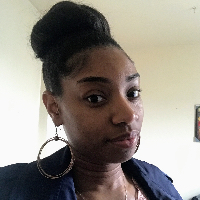
About Tai-Anne
She earned a Master of Social Work from the University at Albany, SUNY, and previously worked as a rape crisis counselor. That background shapes a direct, skills-focused approach to trauma and safety. Sessions often include teaching coping tools and breaking down overwhelming problems into doable steps.
Tai-Anne favors methods drawn from Cognitive Behavioral Therapy and person-centered practice, alongside strength-based work. She helps people identify negative thinking patterns and then tests different ways of responding. Psychoeducation - explaining how thoughts, feelings, and behavior connect - is a regular part of sessions.
People who contact her can expect work on concrete skills: coping strategies, action plans for current stressors, and a practical toolkit for future challenges. She also supports clients exploring identity and relationship concerns, including work with LGBTQ+ people and African-American women as noted in her background.
Her style is straightforward and focused on measurable steps rather than talk alone. Sessions aim to reduce overwhelming feelings and increase the ability to handle everyday demands. For international clients and English speakers she offers services consistent with her licensure and practice setting.
Areas of expertise
Primary focus
Also works with
Experience
7+ years
Credentials
Maryland, New Jersey
Languages
English
Approaches used online and how they help
Tai-Anne draws on Cognitive Behavioral Therapy to identify unhelpful thinking and test new responses; this method breaks problems into small steps and teaches concrete skills for anxiety, depression, and low self esteem. She also uses person-centered techniques that focus on listening and reflecting to help people clarify goals and notice what matters most to them.Finding the right approach is part of the work. She will collaborate with each person to choose methods that fit their needs, goals, and preferences, and adjust plans as progress is reviewed. That collaborative process helps shape when to focus on skill practice, problem-solving, or deeper processing of past events.
Practical benefits of working online include fitting sessions into a busy week and reducing commute time so therapy can be more consistent. Online sessions can make it easier to schedule shorter check-ins or to have therapy during a lunch break. Confirm the current session formats before booking to know what is offered in practice.
Frequently asked questions
What concerns does she help with most often?
She commonly addresses trauma, anxiety, depression, stress, self esteem, parenting issues, relationship worries, grief, anger, bipolar concerns, and ADHD-related challenges.
How would you describe her therapeutic style?
Her approach is practical and skills-focused, using CBT, person-centered methods, and strength-based work to teach coping strategies and action plans.
What is her professional background and experience?
She has seven years of clinical experience, a Master of Social Work from the University at Albany, SUNY, and prior work as a rape crisis counselor.
What credentials and location does she hold?
She is LCSW-C in Maryland and LCSW in New Jersey and currently practices from Maryland.
In which languages can sessions be conducted?
Sessions are offered in English and she accepts international clients.
What session formats are available?
Specific session formats are not listed in the provided profile; confirm current session options before booking.
How does pricing work?
Cost varies with location and sessions use a subscription model that can be canceled at any time.
What are the first steps to begin?
Select the See online therapy options button, complete the short matching questionnaire, and schedule a first session.