- Trauma support
- Anxiety management
- Anger work
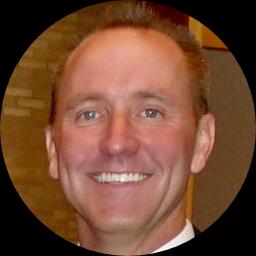
About Stephen
In sessions he listens for what matters most and helps people name the patterns that make them feel stuck. Conversations focus on practical steps - small changes you can try between meetings and ways to handle difficult moments when they come up. He aims to keep language plain and concrete so ideas can be used right away.
Stephen draws on evidence-based therapeutic techniques to address trauma, anxiety, and anger. That means he uses approaches that focus on thoughts, behaviors, and coping skills to reduce symptoms and rebuild a sense of control. He works side by side with each person to find what fits, rather than starting with a fixed plan.
His background includes long experience in clinical settings with people facing co-occurring issues like substance use, codependency, and family of origin concerns. He also supports men dealing with identity, purpose, and relationship strain in ways that respect where they are now.
People who are hard on themselves or who compare themselves to others will find a straightforward style and practical focus. To get started he asks people to complete a short matching questionnaire and schedule a first session so they can begin talking about what matters most.
Areas of expertise
Primary focus
Additional focus areas
Experience
20+ years
Credentials
Illinois
Languages
English
How therapeutic approaches are used in online sessions
Stephen uses evidence-based therapeutic techniques that focus on thoughts and behaviors to address anxiety and stress; this approach teaches practical skills to manage worry and reduce avoidance. He also works with trauma-focused methods that help people process painful memories and reduce their emotional hold. For anger and impulse concerns he applies techniques aimed at recognizing triggers and building alternative ways to respond.Choosing the right approach is a collaborative process. Stephen will work with each person to identify goals and try methods that fit their situation. He adjusts the plan as progress is made and encourages honest feedback about what helps and what does not.
Because specific session formats are not listed in the biography, confirm current online options before booking. In general, online work can make it easier to fit sessions into a busy schedule, reduce travel time, and allow shorter check-ins when a full session isn’t needed. It can also allow sessions without video when bandwidth is limited or a phone call is a better practical fit. Licensed professionals can use these options to keep therapy workable alongside daily responsibilities.
Frequently asked questions
What concerns does he address most often?
He commonly works with stress, anxiety, trauma and abuse, anger, and low self-esteem, as well as related issues like guilt, shame, and isolation.
What is his general approach in sessions?
He uses plain language and practical steps, focusing on thoughts, behavior, and coping skills to help reduce distress and build better responses to hard moments.
How much clinical experience does he have?
He has 20 years of professional clinical experience working in settings that include people with trauma, addiction, and co-occurring concerns.
What credentials and location are on record?
He is an LCSW licensed in Illinois and practices from that state.
Which languages and international options are supported?
Sessions are offered in English and he accepts international clients.
What session formats are available?
Please confirm current session options before booking since specific formats are not listed in the biography.
How does payment or cost work?
Cost varies with location and sessions operate through a subscription that can be canceled at any time.
What are the first steps to begin?
Click the See online therapy options button, complete a short matching questionnaire, and schedule a first session to begin.