- CBT methods
- DBT skills
- Client-centered care
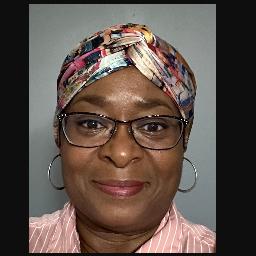
About Shelia
She trained at the graduate level and has worked across inpatient, outpatient, community, and residential substance treatment settings. That background informs a practical approach to talking through current problems. Sessions typically involve clear, structured conversation and skill-building rather than long lectures or vague theory.
Her work draws on client-centered methods alongside cognitive behavioral therapy, or CBT, and dialectical behavior therapy, or DBT. CBT focuses on identifying unhelpful thoughts and testing them against real experience. DBT emphasizes coping skills for intense emotions and better ways to respond to stress.
In session she helps people name what is hardest to carry and then tries concrete tools for dealing with it. This can include steps to manage cravings, reduce anxiety, handle grief, or address relationship communication. She also offers relapse prevention strategies for substance concerns.
People who are self-critical or who compare themselves to others may find the direct, skills-based format helpful. She gives straightforward feedback and works with each person to set practical goals. To start a first appointment, the service asks that prospective clients use the matching questionnaire and schedule a session.
Areas of expertise
Primary focus
Also works with
Additional focus areas
Therapeutic approaches
Experience
18+ years
Credentials
Illinois, North Carolina, Alaska
Languages
English
How her approaches fit with online work
Client-Centered Therapy is about listening and responding to what matters most to the person. It helps people feel heard and clarifies which problems to address first. Cognitive Behavioral Therapy, or CBT, focuses on spotting unhelpful thoughts and testing small behavioral experiments to see what changes. CBT is often used for anxiety, depression, and self esteem concerns. Dialectical Behavior Therapy, or DBT, teaches practical skills for emotion regulation, distress tolerance, and better interpersonal interactions. DBT can be helpful for intense emotions and relationship stress.Choosing which approach to use is a collaborative process. The therapist will discuss goals and try methods that match the client's needs and preferences. If something does not fit, they adjust the plan together rather than sticking to a single method.
The practical benefits of online work include fitting sessions into a busy week and making check-ins easier to schedule. Because the biography does not list specific session formats here, confirm current session options before booking. Online sessions can make it simpler to attend a brief check-in, focus on skills practice, or avoid travel on a tight day. Licensed professionals can use the same CBT and DBT tools online to teach coping skills, practice role plays for communication, and set stepwise goals that fit everyday life.
Frequently asked questions
What does she help with most often?
She commonly works with stress, anxiety, addictions, trauma and abuse, anger, depression, relationship and intimacy issues, self esteem, grief, and ADHD-related concerns.
What is her therapeutic style like?
Her style is client-centered with a practical focus. Sessions use conversation and skills practice drawn from CBT and DBT approaches.
How many years has she been practicing?
She has 18 years of experience working in inpatient, outpatient, community, and residential substance treatment settings.
What are her credentials and where is she based?
She holds LPC and LCPC credentials and provides services from North Carolina.
Which languages are supported?
Sessions are offered in English.
Does she work with international clients?
International clients are not accepted at this time.
How are sessions scheduled and what do they cost?
Cost varies with location and sessions use a subscription that can be canceled at any time.
How do I begin if I want to work with her?
Use the See online therapy options button, complete the short matching questionnaire, and schedule a first session.