- CBT
- DBT skills
- Motivational interviewing
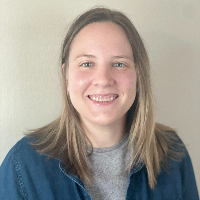
About Sarah
She keeps sessions straightforward and practical. Conversations focus on what is happening now and on small changes that make a difference day to day. Sarah uses Cognitive Behavioral Therapy and Dialectical Behavior Therapy to help people notice unhelpful thoughts and build skills for managing intense feelings.
Sessions often include skill practice, short exercises, and reflection on what gets in the way of feeling more steady. Motivational Interviewing may be used to help someone clarify goals and decide what they want to change. The aim is to leave each session with a clear next step rather than a long to-do list.
Sarah draws on experience from hospital and outpatient settings. That background informs how she supports people in crisis and those working through long-term patterns. She also has experience helping people navigate issues around sexuality and LGBT concerns.
She speaks English and works with adults in Wisconsin. Before scheduling, clients should confirm current session options and how billing is handled, since sessions use a subscription model that can be canceled at any time.
Areas of expertise
Primary focus
Also works with
Additional focus areas
Therapeutic approaches
Experience
4+ years
Credentials
Wisconsin
Languages
English
How CBT, DBT and Motivational Interviewing inform online work
CBT focuses on noticing thoughts and behaviors that keep problems going and trying practical experiments to change them; it can help with anxiety, low mood, and self esteem by testing unhelpful beliefs. DBT teaches concrete skills for managing strong emotions and reducing impulsive behaviors, including distress tolerance and emotion regulation skills useful for anger and self-harm urges. Motivational Interviewing is a conversational method to help someone weigh options and find internal reasons to make changes.Finding the right mix of methods is part of the work. She will collaborate with each person to choose which approaches fit their goals and day-to-day life. That choice can shift as someone learns new skills or faces different challenges.
The practical advantages of online sessions include fitting therapy into a busy week and keeping continuity when schedules change. This profile does not list specific session formats, so confirm current session options before booking. Many people find shorter check-ins or flexible scheduling easier to manage alongside work and family commitments, and Sarah will discuss what rhythm of sessions best supports each person's progress.
Frequently asked questions
What concerns does she help with most often?
She works with stress, anxiety, depression, self-harm, self esteem, ADHD, grief, relationship and parenting challenges.
What approach does she use in sessions?
Sessions draw mainly on Cognitive Behavioral Therapy and Dialectical Behavior Therapy, with Motivational Interviewing to clarify goals.
How much clinical experience does she have?
She has four years of experience doing clinical work in hospital and outpatient settings.
What credential and location should I expect?
She is an LCSW licensed in Wisconsin and practices with that credential in that state.
Which languages are offered for sessions?
Sessions are offered in English.
Can international clients work with her?
International clients are not currently accepted.
How are sessions paid for?
Sessions use a subscription that can be canceled at any time and cost varies with location.
How do I begin if I want to work together?
Select the See online therapy options button, complete a short matching questionnaire, and schedule a first session.