- Stress and anxiety
- Addiction support
- Trauma-focused care
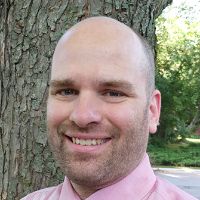
About Paul
Paul began his path after earning a master’s degree in criminal justice in 2006 and later returning to school to complete a master’s degree in counseling in 2013. Those steps led him into clinical work where life experience and training meet to guide his work. He has worked with people affected by domestic violence, substance use, and post-traumatic stress among other concerns.
In sessions he adapts his approach to the person and the issue. He may use cognitive methods when thoughts are a driving problem, mindfulness or somatic ideas when the body is involved, or solution-focused tools when a short-term plan helps. Trauma-focused methods are used with people processing traumatic events.
Clients often find him relaxed and easy to talk to. He emphasizes listening and getting to know each person’s story before choosing the next steps. He also stays engaged in continuing study to keep his skills current.
Paul accepts international clients and works in English. Before booking, people should confirm the exact session options available for their situation. He uses a subscription model for sessions that can be canceled at any time.
Areas of expertise
Primary focus
Also works with
Additional focus areas
Therapeutic approaches
Experience
7+ years
Credentials
Wisconsin
Languages
English
How Paul blends approach and online care
Client-Centered Therapy focuses on listening and building understanding. It helps people feel heard and clarifies what matters most to them in therapy. Cognitive Behavioral Therapy (CBT) works with thoughts and small behavior changes to reduce anxiety, manage mood, or address panic attacks. Mindfulness Therapy teaches present-moment awareness and grounding skills that can reduce rumination and help with stress and trauma symptoms.Finding the right approach is part of the work. Paul will talk with the person about goals, preferences, and what has worked or not worked before. Together they decide which methods to try and adjust the plan based on how things are going.
The original biography does not list specific session formats, so confirm the exact options before booking. Online sessions can make it easier to fit counseling into a busy day, cut travel time, or allow shorter check-ins when a full hour isn’t needed. They can also make it simpler to maintain regular contact during life changes. Ask about session length, scheduling, and how the subscription model works when you arrange the first appointment.
Frequently asked questions
What concerns does he address most often?
He commonly helps people with stress, anxiety, addictions, relationship issues, trauma and abuse, depression, grief, parenting strain, anger, and self esteem.
What is his general approach in sessions?
He adapts methods to each person, combining client-centered listening with cognitive, mindfulness, solution-focused, or trauma-focused techniques as needed.
How much clinical experience does he have?
He has seven years of experience working as a counselor in clinical settings and community work.
What credentials and location should I know?
He is an LPC - Licensed Professional Counselor licensed in Wisconsin and practices from that state.
Can people who don’t live in the US work with him?
He accepts international clients and conducts sessions in English.
What session formats are offered?
The biography does not list specific session formats; please confirm current online or in-person options before booking.
How does payment work?
Session cost varies by location and sessions use a subscription that can be canceled at any time.
What should I do to begin?
Select the See online therapy options button, complete the short matching questionnaire, and schedule a first session.