- Depression support
- Communication skills
- Guilt and shame
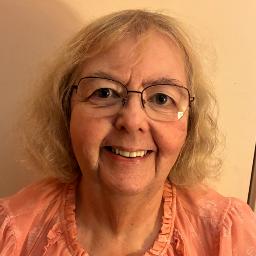
About Nancy
She uses straightforward conversation and practical strategies rather than jargon. Sessions tend to cover how feelings show up day to day, patterns in relationships, and small steps to change unhelpful habits. Nancy pays attention to how guilt, shame, and isolation affect self-worth and decision making.
Her background includes long-term clinical work in Tennessee, where she has supported adults through life transitions and emotional setbacks. Over the years she has helped people notice patterns, practice clearer communication, and rebuild confidence after setbacks.
Nancy often integrates a values or faith perspective when clients want that included. She focuses on concrete skills - for example, communication techniques, managing strong emotions like anger, and exercises that aim to strengthen self-respect and self-love.
People who find her approach useful are those ready to talk through specific problems and try practical steps between sessions. To begin, the site’s matching process guides people to schedule a first session and describe what they want to work on.
Areas of expertise
Primary focus
Additional focus areas
Experience
23+ years
Credentials
Tennessee
Languages
English
How therapeutic approaches are used in online sessions
Evidence-based techniques often mean clear, teachable methods. For example, cognitive approaches focus on identifying and testing unhelpful thoughts so people can reduce self-criticism and improve mood. This can help with low self-esteem and depressive thinking patterns.Another common approach is skills-based work for communication and emotion management. That involves learning simple tools for speaking more clearly, setting boundaries, and recognizing signs of anger before it escalates. These skills aim to make interactions less stressful and to protect self-respect.
Finding the right approach is part of the work. Nancy will collaborate with each person to decide which methods fit their goals, values, and everyday life. She reviews what helps and adjusts techniques as sessions progress so the work stays practical and relevant.
If you are considering online sessions, confirm which session formats she currently offers before booking. Many people choose online therapy because it can fit into busy schedules, reduce travel time, and make it easier to keep regular appointments. Different formats also let someone pick shorter check-ins or quieter sessions when needed, which can help maintain momentum without rearranging an entire day.
Frequently asked questions
What concerns does she help with most often?
She commonly works with depression, relationship and family conflict, anger, and self-esteem issues, plus related concerns such as guilt, shame, and loneliness.
How would you describe her therapeutic style?
Her style is conversational and practical, focusing on everyday patterns, clearer communication, and tangible steps clients can try between sessions.
How much clinical experience does she have?
She has 23 years of clinical experience working with adults in Tennessee on emotional and relational concerns.
What credential does she hold and where does she practice?
She is a TN LPC-MHSP, which stands for Licensed Professional Counselor - Mental Health Service Provider, and she practices in Tennessee.
Are sessions offered in other languages or internationally?
Sessions are offered in English and she is not currently accepting international clients.
What session formats are available?
The biography does not specify session formats; confirm the current session options before booking to know which formats are offered.
How are sessions paid for and what does it cost?
Cost varies with location; sessions use a subscription that can be canceled at any time.
How do I begin working with her?
Select the See online therapy options button, complete a short matching questionnaire, and schedule a first session.