- CBT techniques
- Mindfulness skills
- Attachment focus
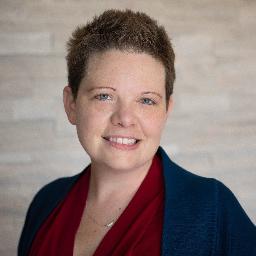
About Michelle
Michelle describes a straightforward, person-focused way of working. She listens to what matters most and helps people set small, practical steps. Sessions focus on real problems and skills that can be practiced between meetings. The tone is grounded and direct rather than overly upbeat.
Her background includes focused work with survivors of sexual assault and domestic violence and with people affected by drug and alcohol addiction and post-traumatic stress. She has experience supporting those who identify as LGBT and addressing women's issues and compassion fatigue in helping professionals. Michelle draws on several clinical approaches to match what a person needs in the moment.
In sessions she uses clear, evidence-based techniques such as cognitive behavioral strategies and mindfulness skills to reduce unhelpful thinking and manage strong emotions. She also incorporates attachment-based ideas to look at how relationships shape beliefs about worth and connection. Dialectical behavior tools are used when people need concrete coping skills for intense feelings.
Michelle asks new clients to complete a short questionnaire before the first session so she can understand priorities and begin planning concrete goals. She works in English and practices in Nebraska as an LMHP.
Areas of expertise
Primary focus
Also works with
Additional focus areas
Therapeutic approaches
Experience
5+ years
Credentials
Nebraska
Languages
English
How her approaches translate to online sessions
Michelle uses cognitive behavioral therapy (CBT) to help people identify and change unhelpful thinking and behavior patterns, which is useful for anxiety, depression, and self-esteem concerns. She also uses mindfulness therapy to teach simple attention and breathing practices that reduce emotional reactivity and improve focus.She brings attachment-based ideas into the work to look at how early and current relationships shape beliefs about worth and trust. That helps when relationship patterns and low self-esteem are linked to how a person connects with others. Choosing the right approach is a collaborative process; she will talk with the client about goals and preferences and suggest which methods to try first, then adjust as needed.
The therapist biography does not list specific online formats, so confirm current session options before booking. Many people find online sessions easier to fit into a busy day, allow shorter check-ins when needed, and make it simpler to practice skills between meetings. The emphasis is on practical tools and regular follow-up so skills carry over into everyday life.
Frequently asked questions
What concerns does she address most often?
She commonly helps with stress, anxiety, addictions, trauma and abuse, relationship and family concerns, parenting strain, anger, self esteem, and depression.
How would you describe her therapeutic style?
She works in a person-centered, practical way and focuses on clear steps and skills rather than abstract theory.
What is her clinical experience background?
She has five years of practice experience and has worked with survivors of sexual assault, domestic violence, and people with substance use concerns.
What credential and location does she use?
She is an LMHP practicing in Nebraska.
Which languages and international options are offered?
Sessions are offered in English and she is not accepting international clients.
What session formats are available?
The original biography does not list specific session formats; confirm current session options with Michelle before booking.
How are sessions priced?
Cost varies with location and sessions use a subscription model that can be canceled at any time.
What should I do to get started?
Select the See online therapy options button, complete the short matching questionnaire, and schedule your first session.