- Client-Centered Therapy
- Cognitive Behavioral Therapy
- Motivational Interviewing
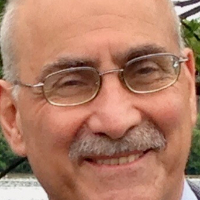
About Michael
He has provided individual, family, and group counseling in homes, offices, and institutional settings. That work has included supporting people affected by sexual assault and abuse, and working with both victims and people who have committed abusive acts. He has long experience addressing mood disorders such as depression and bipolar conditions.
Michael describes a counseling stance that puts the person in charge of the session. He uses Client-Centered Therapy ideas alongside cognitive behavioral methods and motivational interviewing to help people decide goals and take steps toward them. He pays attention to family of origin issues, codependency, and men's problems as part of relationship work.
Sessions tend to focus on practical changes and clearer choices. He also uses solution-focused techniques to help break problems down into manageable steps and to track small improvements. For people struggling with self-esteem, the work often includes identifying critical self-talk and testing out new behaviors.
With four decades of practice, he brings extensive experience rather than quick fixes. People can expect straightforward, goal-oriented conversations about what is getting in the way and what might help. To start, users follow the service matching flow and schedule an initial session.
Areas of expertise
Primary focus
Also works with
Additional focus areas
Therapeutic approaches
Experience
40+ years
Credentials
Missouri
Languages
English
How his approaches translate to online sessions
Michael blends Client-Centered Therapy with Cognitive Behavioral Therapy (CBT) and often uses Motivational Interviewing. Client-Centered Therapy focuses on listening, reflecting, and letting the person guide the conversation to clarify values and priorities. CBT looks at thoughts and behaviors that keep problems going and teaches practical experiments to test new ways of thinking. Motivational Interviewing helps people resolve mixed feelings and strengthen their own reasons for change.Deciding which approach matters is part of the work. He will collaborate with each person to pick methods that fit their goals and situation, adjusting techniques as progress is tracked. The process aims to be practical and goal-oriented rather than one-size-fits-all.
The specifics of session delivery should be confirmed before booking since formats were not specified in the biography. Online sessions can make it easier to fit therapy into a busy life, allow shorter check-ins when schedules require, and remove the need to travel to an office. Ask about the available session formats when you schedule so you can choose what fits your routine.
Frequently asked questions
What concerns does he help with most often?
He works with stress, anxiety, trauma and abuse, self-esteem, addictions, mood disorders, relationship and family issues, grief, and coping with life changes.
What kind of therapy style does he use?
He follows a person-led approach rooted in Client-Centered Therapy and mixes in cognitive behavioral techniques and motivational interviewing to set and work toward goals.
How much clinical experience does he have?
He has forty years of clinical practice in individual, family, and group counseling across home, office, and institutional settings.
What are his credentials and where is he based?
He is an LCSW (Licensed Clinical Social Worker) registered in Missouri.
Which languages are sessions offered in?
Sessions are offered in English.
Can people outside the United States work with him?
He does not accept international clients at this time.
What does therapy cost and how are payments handled?
Cost varies by location; sessions use a subscription model that can be canceled at any time.
How do I begin a first session?
Select the See online therapy options button, complete a short matching questionnaire, and schedule the initial session.