- Stress and anxiety
- Trauma informed care
- Divorce and separation
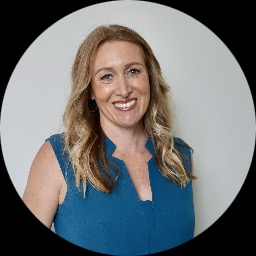
About Meagan
She offers direct, practical support for people trying to rebuild self-worth after difficult events. That includes work around guilt, shame, and learning how to forgive oneself. Meagan also provides trauma-informed care for survivors of sexual assault and abuse and helps people navigate divorce and separation.
In sessions she keeps things collaborative and straightforward. Conversations focus on what is happening now, how it affects daily life, and small steps that can change how someone feels about themselves. She listens for attachment patterns and relationship habits that make problems repeat, and then helps people try different ways of relating and coping.
Meagan draws on evidence-based therapeutic techniques to address emotional pain and practical problems. She frames goals in plain terms so progress can be noticed and measured. The work tends to involve learning new responses to stress, practicing healthier boundaries, and strengthening a sense of self that is less tied to others' approval.
She practices in North Carolina and conducts sessions in English. People considering therapy are invited to complete a short matching questionnaire and schedule a first session to see how the approach fits their needs.
Areas of expertise
Primary focus
Additional focus areas
Experience
17+ years
Credentials
California, Florida, North Carolina
Languages
English
Approaches you may encounter online
Two evidence-based techniques she uses are trauma-informed care and attachment-focused work. Trauma-informed care means recognizing how past harm affects current feelings and responses, and it helps people who have experienced sexual assault or other abuse to rebuild a sense of safety and control. Attachment-focused work looks at repeating relationship patterns and helps people try different ways of connecting and setting boundaries.She will work with each client to decide which approach or combination fits best. Figuring out what helps most is a shared process that considers your goals, needs, and comfort level. The therapist adjusts pace and focus as progress and challenges appear.
Confirm the session formats before booking, as the biography does not list specific online methods. In general, online sessions can make it easier to fit therapy into a day, allow shorter check-ins when needed, and reduce travel time. They can also let someone avoid being on camera when that feels better. Ask about the specific session options offered so you can plan what will work in your life.
Frequently asked questions
What concerns does she help with most often?
She commonly supports people with stress, anxiety, relationship and family problems, self-esteem issues, and coping with life changes.
What is her therapeutic style like?
Her style is collaborative and straightforward, focusing on workable steps and clearer ways of relating rather than abstract talk.
How much experience does she have?
She has 17 years of clinical experience working with the issues listed in her profile.
What are her credentials and where does she practice?
She holds LPCC and LCMHC credentials and practices in North Carolina.
Which languages are offered in sessions?
Sessions are offered in English.
Does she work with international clients?
International clients are not currently accepted.
How are session fees handled?
Cost varies with location; sessions use a subscription that can be canceled at any time.
How do I begin the process?
Use the See online therapy options button, complete a short matching questionnaire, and schedule a first session.