- Cognitive Behavioral Therapy
- Trauma and grief
- Substance use experience
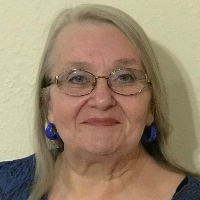
About Kathryn
Robinson earned a master’s degree in counseling after completing undergraduate studies in psychology. She spent six years at a mental health facility where she handled crisis work and psychosocial rehabilitation. During that time she worked in residential and judicial dual-diagnosis centers and gained experience supporting people with substance use and co-occurring mental health conditions.
Her main clinical approach is Cognitive Behavioral Therapy (CBT). She also uses techniques drawn from Dialectical Behavioral Therapy, Gestalt, person-centered methods, and integrative ideas when they fit a person’s needs. She reports experience applying these approaches with people diagnosed with a range of conditions, including bipolar disorder and major depression.
Robinson uses straightforward, no-frills counseling and sets clear boundaries in sessions. She aims to correct stigma around mental illness and to challenge patterns that increase self-criticism or shame. When requested, she says she will include Biblical principles in counseling.
She continues ongoing learning and seeks chances to update her skills. Before booking, people should confirm current session options and formats to make sure they match their circumstances.
Areas of expertise
Primary focus
Also works with
Therapeutic approaches
Experience
13+ years
Credentials
Texas
Languages
English
How Kathryn uses CBT online and finds the right fit
Kathryn uses Cognitive Behavioral Therapy (CBT) as her primary method. CBT focuses on identifying unhelpful thoughts and behaviors, testing those beliefs, and practicing different ways of responding. It is often useful for anxiety, depression, low self-esteem, and coping with stress.She also draws on techniques from Dialectical Behavioral Therapy and person-centered ideas when helpful. DBT-style skills offer concrete tools for emotion regulation and managing intense feelings. Person-centered techniques emphasize listening and responding to what each person brings into the room.
Choosing an approach is a collaborative step. She will work with the person to decide which methods match their goals, preferences, and daily life. Adjustments are made along the way based on what is working and what is not.
Information about session formats is not provided in the biography, so confirm current online session options before booking. Online work can make it easier to fit appointments into a busy week, allow shorter check-ins when needed, or avoid travel time. It also lets people continue therapy while living in different parts of Texas, subject to licensing rules and the therapist’s stated client restrictions.
Frequently asked questions
What problems does she most often work with?
She commonly works with stress, anxiety, trauma and abuse, self esteem issues, depression, addictions, grief, intimacy-related concerns, anger, bipolar disorder, and coping with life changes.
What is her general counseling style?
The approach is down-to-earth and direct, with clear boundaries and practical feedback. She aims to correct stigma and challenge negative thinking patterns.
How much clinical experience does she have?
She has 13 years of experience, including six years in a mental health facility and work in residential dual-diagnosis centers.
What are her credentials and where does she practice?
She holds an LPC credential and practices in Texas.
Which languages are sessions offered in?
Sessions are offered in English.
Can international clients work with her?
She does not accept international clients at this time.
How are session costs handled?
Cost varies with location and sessions use a subscription model that can be canceled at any time.
How do I begin working with her?
Select the See online therapy options button, complete a short matching questionnaire, and schedule a first session.