- CBT techniques
- DBT skills
- Mindfulness practice
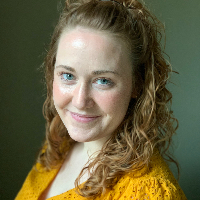
About Julia
Julia aims to give practical tools and steady support rather than quick fixes. She encourages clear goals in the first sessions so work has direction, then adjusts those goals as needs shift. Sessions focus on skills people can use between meetings to manage emotions and daily pressures.
Her approach blends client-centered listening with goal-focused methods. She uses cognitive behavioral techniques to address unhelpful thinking and behaviors. Dialectical behavior strategies and mindfulness practices are used for emotion regulation and staying present.
Motivational interviewing helps when someone is unsure about change or feels stuck. Solution-focused elements keep conversations directed toward achievable steps and small gains. Julia says she wants to help people recognize their worth and develop the tools to support themselves.
People considering work with her should expect respectful, straightforward conversations about what is working and what needs to change. She asks clients to take an active role in setting goals and practicing new skills between sessions. Those interested in starting are asked to use the site process to match and schedule a first appointment.
Areas of expertise
Also works with
Therapeutic approaches
Experience
3+ years
Credentials
Texas
Languages
English
How her approaches translate to online work
Julia uses client-centered listening alongside cognitive behavioral therapy (CBT) and dialectical behavior therapy (DBT). Client-centered work focuses on understanding a person's experience and priorities so sessions reflect what matters most to them. CBT breaks down thoughts and behaviors that keep problems cycling and teaches practical strategies to change them. DBT offers skills for managing intense emotions and improving distress tolerance and interpersonal effectiveness.Choosing the right approach is collaborative. The therapist will talk with the client about goals, try methods that match those goals, and adjust the plan as progress is made. Early sessions are used to see what fits and to set small, achievable targets together.
Session formats are not listed here, so confirm the available options before booking. Online therapy can make it easier to fit sessions into a busy week, shorten travel time, and allow for shorter check-ins when needed. It can also let someone practice skills in real-life settings and bring examples from daily routines into the conversation. Licensed professionals can adapt tools like CBT worksheets, DBT skill coaching, and mindfulness exercises to work over remote sessions to support steady progress.
Frequently asked questions
What concerns does she commonly address?
She works with stress, anxiety, addictions, trauma and abuse, grief, depression, relationship and family issues, eating and sleeping problems, parenting strain, anger, self esteem, bipolar, ADHD, and coping with life changes.
What is her general therapy style?
Her style is client-centered and direct, focusing on listening first and then building practical skills to use between sessions.
How much experience does she have?
She has three years of clinical experience as a Licensed Clinical Social Worker.
What credentials and location are listed?
She is a Texas LCSW and practices in Texas.
Which languages are supported and are international clients accepted?
Sessions are offered in English and international clients are not accepted.
What session formats are offered?
Session formats are not specified here; please confirm current session options before booking.
How are fees handled?
Cost varies with location and sessions use a subscription that can be canceled at any time.
How do I begin working with her?
Use the See online therapy options button, complete the short matching questionnaire, and schedule a first session.