- ACT methods
- CBT techniques
- Grief support
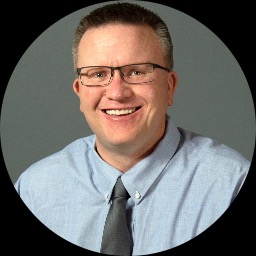
About Joseph
He keeps sessions straightforward and focused on what matters now. Clients can expect to talk about thoughts, feelings, and behaviors and to try practical steps between meetings. He uses several well-known approaches to guide that work, including Acceptance and Commitment Therapy and Cognitive Behavioral Therapy.
Joseph frames conversations so people can name and share difficult feelings without feeling judged. He aims to clarify which patterns are causing problems and to find small, useful changes that feel doable. The focus is on daily habits and decisions, not abstract theory.
His background includes both clinical licensure and pastoral counseling, which influences how he listens and responds. That mix tends to suit people who want direct feedback alongside reflective conversation. He accepts international clients and conducts sessions from his South Dakota practice.
If someone is unsure about starting, he asks a few simple questions to get a session set up and to match the approach to the person's concerns. The first step is a short matching questionnaire and then scheduling a first session.
Areas of expertise
Primary focus
Also works with
Therapeutic approaches
Experience
6+ years
Credentials
South Dakota, Wyoming
Languages
English
Therapeutic approaches and how online sessions work
Acceptance and Commitment Therapy (ACT) helps people notice difficult thoughts without getting stuck in them and to focus on actions that matter. It can be useful for low self-esteem, grief, and getting unstuck from avoidance. Cognitive Behavioral Therapy (CBT) looks at links between thoughts, feelings, and behavior and teaches practical skills to shift unhelpful patterns. It is often used for anger, self-criticism, and coping with life changes.Finding the right approach is part of the work together. He will discuss different methods and decide with the client which ones to try based on goals and what feels workable. That collaborative choice can change as progress is made.
The original biography does not list specific online formats, so confirm current session options before booking. Many people value online sessions because they can fit meetings into a busy day, allow shorter check-ins when needed, or reduce travel time. Online work also makes it possible to continue therapy when circumstances change and supports regular practice of skills between sessions.
Frequently asked questions
What concerns does he most often address?
He commonly works with addictions, grief, relationship strain, anger, low self-esteem, and coping with life changes.
What is his general approach in sessions?
He uses conversational, practical therapy that names thoughts and feelings and looks for small changes people can try between meetings.
How much clinical experience does he have?
He has six years of licensed mental health experience plus additional years of pastoral counseling work.
What credentials and location are listed?
He holds LPC and LPC-MH credentials and is licensed in Wyoming and South Dakota, practicing from South Dakota.
Which languages are supported for sessions?
Sessions are offered in English, and he accepts international clients.
What session formats are offered?
The original biography does not specify session formats; please confirm current session options before booking.
How is cost handled for sessions?
Cost varies with location, and sessions use a subscription that can be canceled at any time.
How do I get started with a first appointment?
Select the See online therapy options button, complete a short matching questionnaire, and schedule a first session.